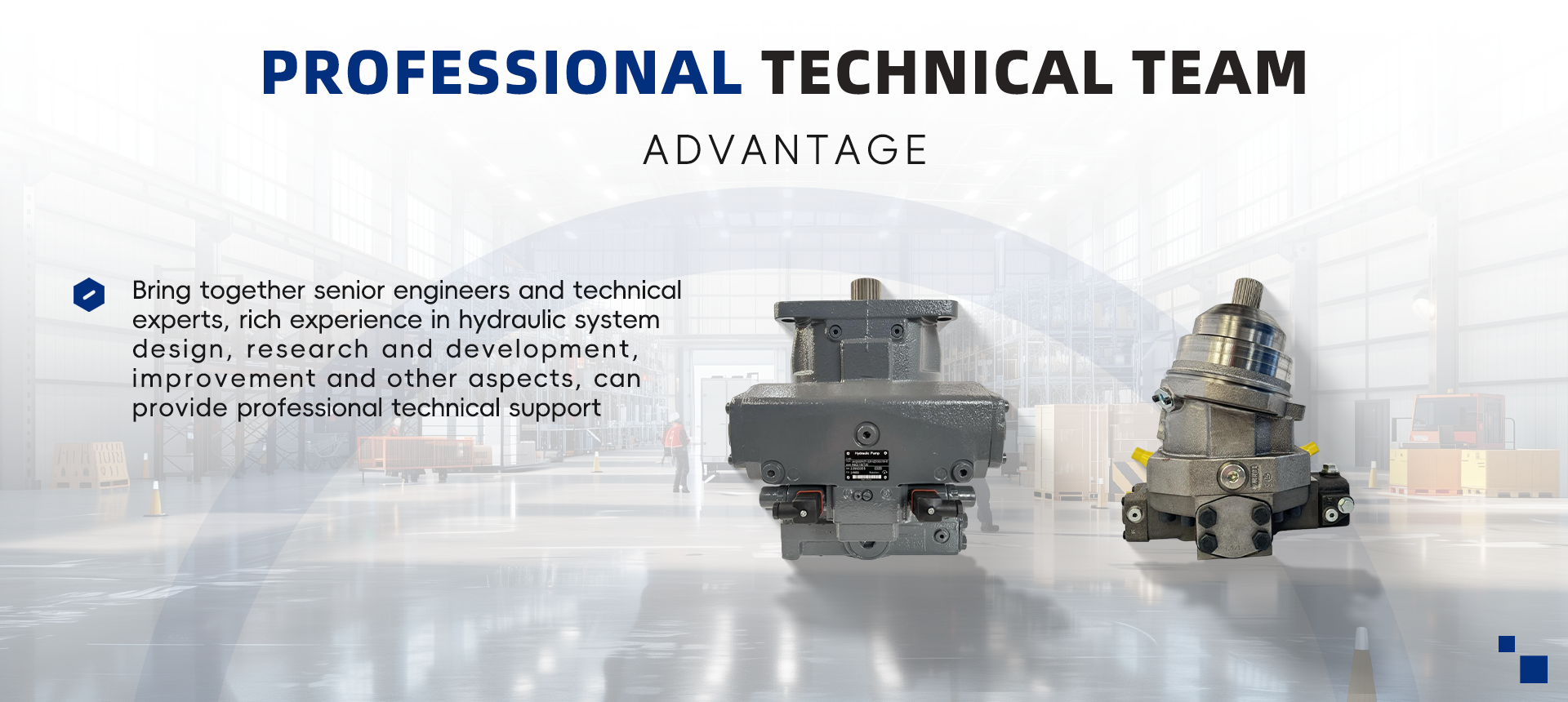
Hydraulic piston pumps convert mechanical energy into hydraulic power through reciprocating pistons, making them ideal for high-demand mining operations. These systems excel in environments where power density and pressure stability are critical - requirements inherent to ore extraction and material handling.
Variable displacement models adjust flow rates by changing the swashplate angle while maintaining constant RPM. This design allows mining equipment like shovels to adapt to varying load conditions seamlessly. For example, axial piston pumps used in underground drills maintain 4,500-5,000 PSI (Metastat Insight 2024) during rock-breaking cycles through real-time displacement adjustments.
| Pump Type | Energy Efficiency | Load Adaptability | Typical Mining Use Case |
|---|---|---|---|
| Fixed Displacement | 68-72% | Low | Conveyor belt drives |
| Variable Displacement | 81-87% | High | Hydraulic shovels, face drills |
Variable pumps reduce energy waste by 18-23% (Ponemon 2023) in cyclical operations compared to fixed models, explaining their dominance in 68% of new mining equipment according to industry procurement data.
Mining grade pumps need to handle at least 4,000 pounds per square inch for most of their operation time, but they should also be able to withstand sudden pressure jumps reaching around 6,500 PSI when things get overloaded. These specs are pretty much what's needed for equipment like hydraulic breakers and those roof bolting machines used deep underground. When these tools receive steady power, miners don't end up waiting around for repairs in those tight spaces between rock veins. The newer models come with special pressure control systems that kick in automatically whenever there's too much stress on the system. This helps protect not just the pump itself but all the other parts connected downstream from getting damaged by excessive force.
Mining equipment requires hydraulic systems that maintain 2,500-5,000 psi operating pressures to power drills, shovels, and haul trucks in environments where temperatures often exceed 50°C. The 2024 Hydraulic Systems in Mining Report reveals that axial piston pumps demonstrate 94% efficiency at 4,500 psi, outperforming gear pumps by 18% in load-bearing scenarios.
Hydraulic piston pumps provide consistent flow rates at depths exceeding 1,200 meters, where rock density demands pressures up to 6,000 psi for effective drilling. Engineers prioritize pumps with pressure-compensated controls to adapt to shifting ore hardness without sacrificing cycle times.
Variable displacement designs reduce energy waste by 23% compared to fixed pumps during partial load operations, according to field tests in copper mines. Tapered cylinder blocks and self-adjusting swashplates minimize internal leakage, maintaining 89-92% volumetric efficiency across 12-hour shifts.
Hardened steel components coated with tungsten carbide withstand vibrations exceeding 8 g-force in blasting zones, while multi-stage filtration systems prevent abrasive wear from 15-30 μm particulate contamination. These features enable 8,000-10,000 operating hours between maintenance intervals in iron ore processing plants.
The hydraulic piston pumps used in mining operations have to handle some pretty harsh conditions, so manufacturers really focus on building them to last against both physical stress and environmental factors. Today's mining pumps are built with special alloys and ceramic mixtures that stand up to wear much better than regular steel parts. Industry tests from 2024 show these new materials can resist abrasion about 30 percent longer than what was standard before. This matters because mines deal with all sorts of gritty particles and chemical-laden water when processing ores and managing drainage systems. The right materials mean these pumps don't break down as often, which saves money and keeps operations running smoothly even under tough conditions.
High-chrome iron castings and tungsten-carbide coatings now form the standard for pump housings and swashplates in heavy mining equipment. Field trials show these materials reduce replacement frequency by 40% compared to conventional components when exposed to silica-laden slurries (Pump Reliability Index 2023).
Mining-specific hydraulic piston pumps undergo 500-hour validation cycles simulating -30°C to 120°C thermal shocks while maintaining 95% volumetric efficiency. Recent studies confirm triple-layered shaft seals prevent ingress of <50μm particles even under 15G vibration loads equivalent to blast site conditions.
Innovative hybrid sealing systems combining PTFE lip seals with spring-energized fluoropolymer elements demonstrate 18,000-hour service intervals in coal haul trucks - a 3× improvement over traditional designs. Field data reveals pumps using these seals require 23% fewer maintenance hours per operating cycle while sustaining 400-bar working pressures (Fluid Power Quarterly 2024).
In the mining industry, hydraulic piston pumps depend heavily on pressure limiting devices and load sensing controls to cut down on unnecessary energy consumption. The system works by adjusting flow rates according to what's actually happening on site at any given moment. Field tests from last year showed these adjustments can drop pressure levels as much as 30 percent when the machinery isn't working at full capacity. What makes this technology so effective is how load-sensing valves send hydraulic fluid exactly where it needs to go, which saves power without slowing down critical operations like drilling or transporting materials. This kind of responsive control keeps the whole hydraulic system running safely within acceptable pressure limits, even when conditions suddenly change because of different rock types or unexpected shifts in equipment demand throughout the day.
The latest generation of hydraulic piston pumps used in mining operations now come equipped with Energy Management Systems (EMS). These systems bring together Internet of Things sensors along with smart predictive software. The technology looks at factors such as how hard the engine is working, what the outside temperature is doing, and even how thick the hydraulic fluid has become over time. All these measurements help the system tweak power usage on the fly. Industry reports from late 2025 suggest that when mines install these EMS solutions, they tend to see around a 15 to maybe 25 percent drop in their electricity bills for surface mining equipment. What makes this possible are several important advancements in recent years including...
Advanced control systems definitely boost precision, but out in those remote mining locations, what really matters is keeping things running without constant maintenance headaches. That's why modular pump designs with standard valve cartridges have become so popular these days. When a part goes bad, replacement happens fast even if there aren't any specialist techs on site. The numbers back this up too: according to Mining Tech Journal from last year, equipment with contaminant resistant solenoids and preset calibration settings cuts down on calibration mistakes by around two thirds in all that dust and dirt. Most manufacturers are also starting to build in fail safe features these days. These keep essential functions going even when sensors pack it in, giving operators time to get repairs sorted before everything comes to a grinding halt.
In the world of mobile mining gear, hydraulic piston pumps have become something of a game changer because they fit better in tight spots while still packing plenty of punch. These pumps actually take up around 18 to maybe 22 percent less space than those old fashioned gear pumps according to Fluid Power Journal from last year. The smaller footprint means engineers can install them right inside articulated dump trucks and drilling machines without making the whole machine harder to handle. And let's not forget about noise - these pumps operate under 78 decibels when measured one meter away, which ticks all the boxes for EU safety standards from 2006. That quiet operation makes a real difference for workers spending long hours down in those cramped underground tunnels where every bit of noise reduction counts toward better health outcomes.
Today's hydraulic piston pumps can actually change their displacement range from just 5% all the way up to full 100% capacity thanks to those smart load sensing controls we've been talking about. These pumps work hand in glove with the regular cycle patterns seen in most mining operations. What does this mean practically? Well, studies show these adjustable systems cut down on wasted energy by around 31% when moving materials between shovels and trucks compared to older fixed displacement models that couldn't adapt. And here's another plus point for modern equipment: pressure compensated designs keep the flow rate pretty much steady at about plus or minus 2%, no matter what happens with engine speed changes. This consistency makes sure buckets keep moving at predictable intervals even when machines are working across rough terrain where ground levels constantly change.
Piston pumps designed for mining operations typically last between 8,000 to 10,000 hours before needing major repairs in haul truck setups. They accomplish this thanks to several key design elements including hardened steel components that stand up to silica wear, advanced filtration systems that trap nearly all particles larger than 3 microns (around 99.8%), and special rotary seals that have been stress tested for over 5,000 pressure cycles. The extended lifespan means these pumps require servicing about 42% less frequently compared to standard industrial hydraulic models. What makes them even more valuable is their built-in condition monitoring ports, which let technicians schedule maintenance right alongside regular equipment rotations instead of dealing with unexpected breakdowns.
Hydraulic piston pumps are suitable for mining because they provide high power density and pressure stability, crucial for ore extraction and material handling.
Variable displacement pumps adjust flow rates to adapt smoothly to varying load conditions, increasing energy efficiency and reducing waste.
Pressure control systems protect pumps from damage due to sudden pressure jumps and excessive force, ensuring stable operation even under stress.
Advanced control systems optimize energy use by adjusting flow rates based on real-time demands, reducing unnecessary energy consumption.
Copyright © 2025 Baoding Winners Trading Co., Ltd. All Rights Reserved. - Privacy policy


