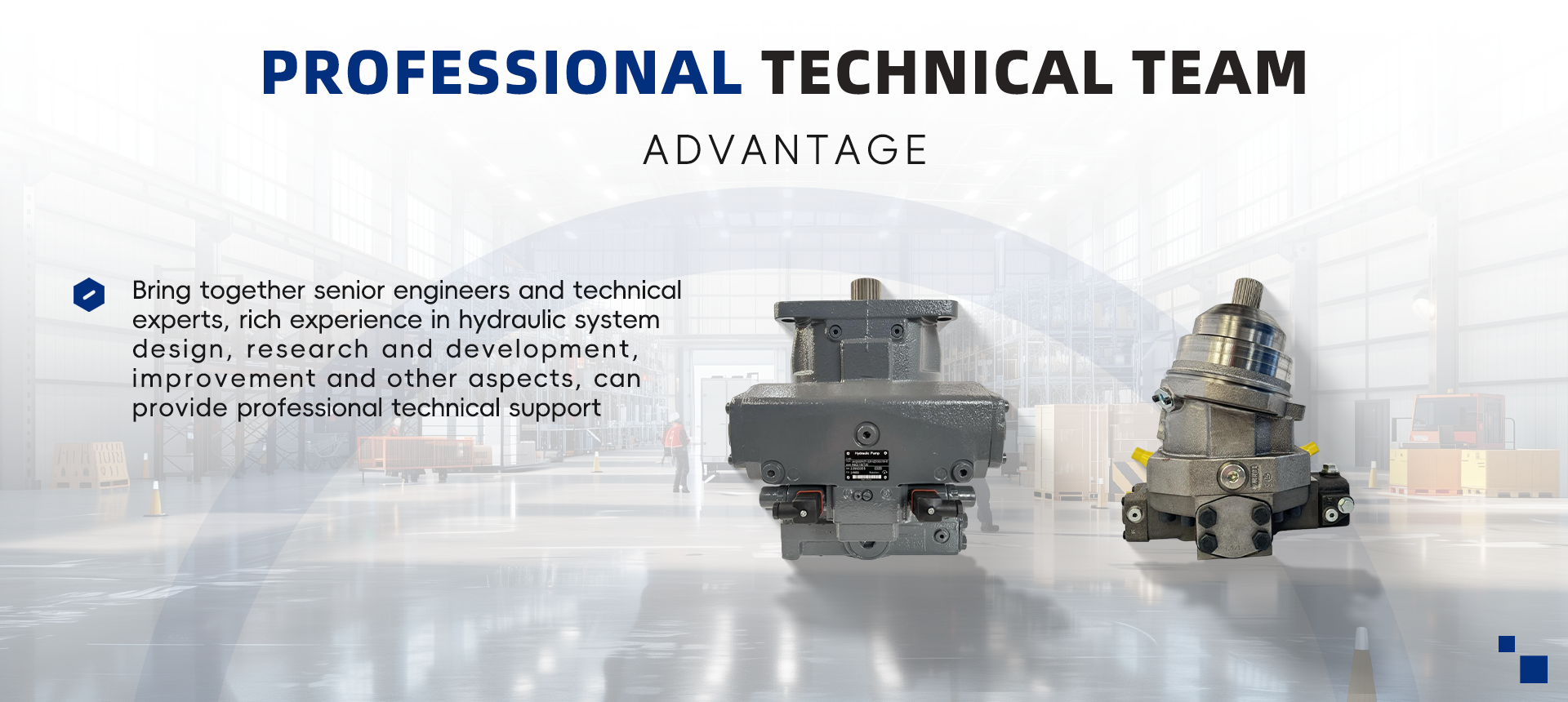
Industrial machines rely heavily on hydraulic components, especially those pumps that can push fluid through systems at pressures reaching around 6,000 PSI according to recent studies from Fluid Power Journal. The valves manage where all that pressure goes, and then there are actuators which basically turn hydraulic power into actual movement we see in real world applications. Think about cylinders creating straight line force when something needs lifting, versus motors spinning things around for jobs like drilling operations. Getting these parts wrong together causes problems more often than people realize. About one third of all hydraulic system breakdowns happen because components don't match properly, so taking time to ensure everything works well together isn't just good practice but absolutely necessary for keeping equipment running smoothly over time.
In demanding environments like logging operations, component selection is critical. Directional valves rated for 350°F prevent overheating during continuous use, while double-acting cylinders manage asymmetrical loads effectively. Motors equipped with torque-limiting features reduce stress on downstream components by 28% during overloads (Off-Highway Equipment Report 2023).
Operating beyond rated pressure increases failure risk by 7x, according to an analysis of 1,200 mining systems. Corrosion-resistant materials such as 316L stainless steel extend seal life by 60% in marine settings. Additionally, zinc-nickel plating reduces wear by 42% in high-cycle applications like hydraulic presses, enhancing durability without compromising performance.
Reliable suppliers hold ISO 9001 certification and maintain documented quality control processes. Key indicators include:
A 2023 survey found that 68% of industrial maintenance managers view third-party certifications as the strongest predictor of part reliability. Suppliers using traceable manufacturing systems reduce defect risks by 42% compared to non-certified vendors (Ponemon Institute, 2023).
Suppliers who've been around the block establish credibility mainly through those long-standing relationships they maintain across industries including mining operations, construction sites, and heavy machinery manufacturing. These companies typically offer clear warranty terms covering issues like failed seals or defective materials, plus they often publish real-world examples showing how their products hold up when pushed to limits. Websites like Engineering360 and Thomasnet actually check out these supplier claims, and the best ones consistently score around 4.8 out of 5 stars for both product longevity and timely deliveries. For someone shopping for reliable components, these ratings can make all the difference between a smooth project run and costly delays down the road.
Top suppliers ensure rapid response with regional warehouses stocking 500+ common replacement parts and offering 24/7 emergency dispatch. Pre-assembled repair kits for pumps, valves, and cylinders help minimize downtime. According to the 2024 Logistics Analysis Report, suppliers with three or more global hubs resolve hydraulic outages 79% faster than single-location distributors.
Mismatched hoses and fittings are responsible for around 34 percent of unexpected breakdowns in industrial hydraulic systems. Small differences in dimensions between different manufacturers, sometimes as little as half a millimeter, can actually break down seals when pressures get really high. Industry research from last year found that sticking with components from the same brand cuts down on leaks by almost two thirds. When putting together these systems, it's crucial to check three main things: what kind of threads they have, how hot they can handle, and whether they'll stand up to whatever fluids are running through them. Getting this right prevents headaches down the line.
O-ring face seal (ORFS) connections excel in mobile equipment due to superior vibration resistance; SAE J1453-compliant designs maintain integrity over 50,000 pressure cycles. DIN metric fittings suit stationary systems requiring precise alignment, providing leak-free performance up to 420 bar. Selection should consider:
ORFS fittings withstand 2.8x more thermal cycling than standard flare types in mining environments.
Improper couplings lead to 42% of fluid contamination events and 18% of catastrophic failures. Common issues include:
Systems with mismatched components require 47% more unplanned downtime than standardized setups. For critical applications, always specify ISO 8434-1 or SAE J518-compliant connections.
Better quality parts mean less time spent on maintenance and longer lasting equipment overall. Take forged steel alloys as an example they actually stand up to wear about 45 percent better than regular materials, which translates to around 30% longer between required services according to industry research. When it comes to saltwater applications, getting the pressure ratings right along with good corrosion protection makes a huge difference. Most problems with seals failing early can be avoided this way about 82% of the time based on what Industrial Maintenance Journal reported back in 2023. And let's not forget those oversized filters either they really help cut down on fluid contamination issues by roughly 60%, something every facility manager should keep in mind when planning their maintenance schedules.
A North American mining operator reduced hydraulic downtime by 54% after upgrading to hardened steel piston pumps and chrome-plated cylinder rods. This increased mean time between failures (MTBF) from 1,200 to 2,100 hours. Polyurethane seals eliminated 90% of leaks in high-vibration areas, further boosting system reliability.
IoT-enabled sensors now predict 73% of hydraulic failures more than 50 hours in advance (Fluid Power Tech Report 2024). By analyzing pressure, viscosity, and vibration data with machine learning, modern systems reduce unscheduled maintenance by 41% and optimize lubrication schedules for motors and gearboxes, improving efficiency and lifespan.
The main types of hydraulic pumps include vane pumps, piston pumps, and gear pumps. Vane pumps are suited for mid-pressure systems, piston pumps are ideal for high-pressure applications, and gear pumps are cost-effective for low-pressure lubrication systems.
When selecting hydraulic components, consider pressure ratings, compatibility with existing parts, corrosion resistance, and the specific operational demands of the environment. It's crucial to ensure all components work well together to prevent system breakdowns.
Mismatched hoses and fittings can lead to leaks and breakdowns, as small dimensional differences can cause seal failures under high pressure. Using components from the same brand is recommended to minimize these risks.
Copyright © 2025 Baoding Winners Trading Co., Ltd. All Rights Reserved. - Privacy policy


