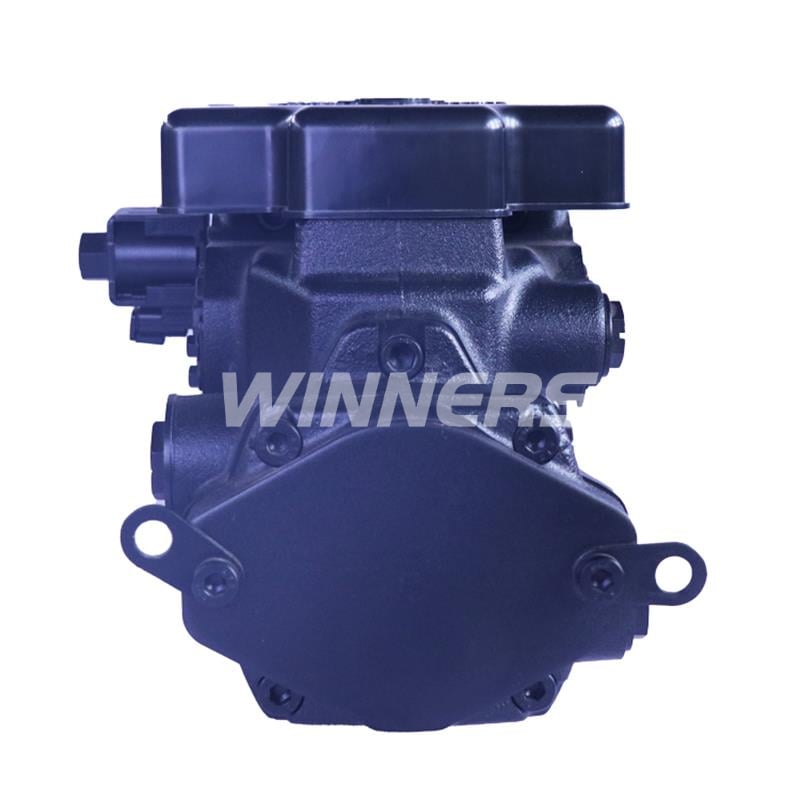
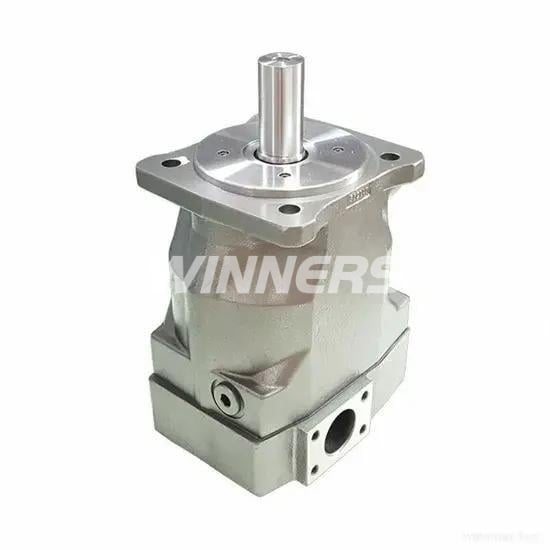
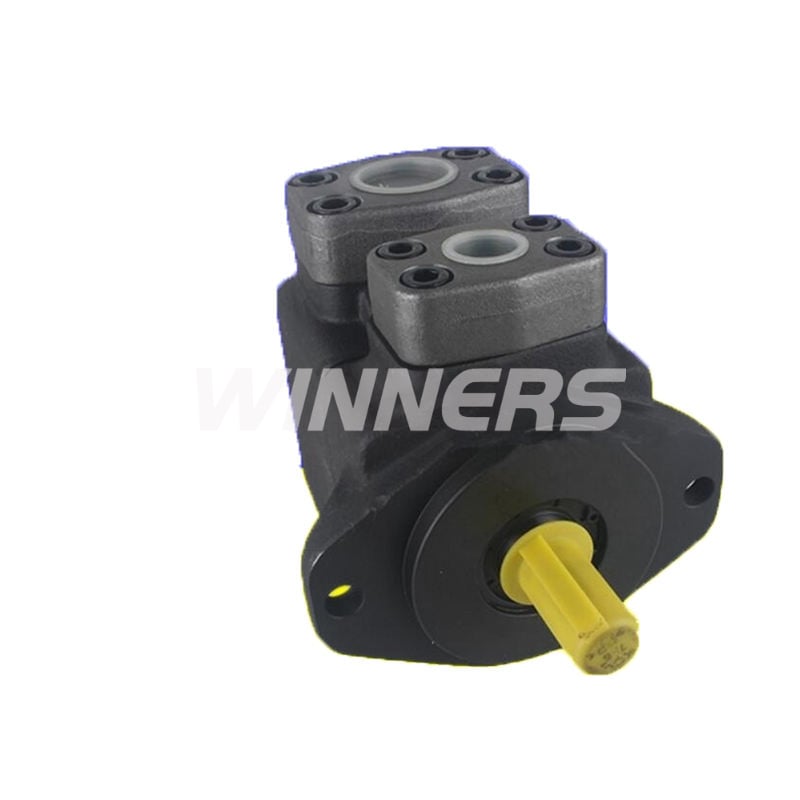
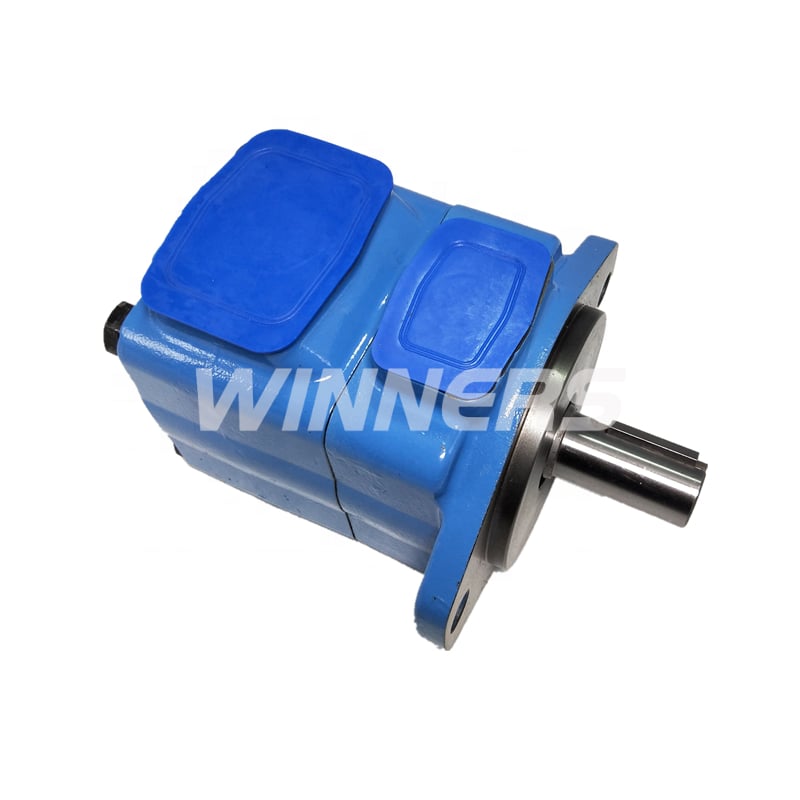
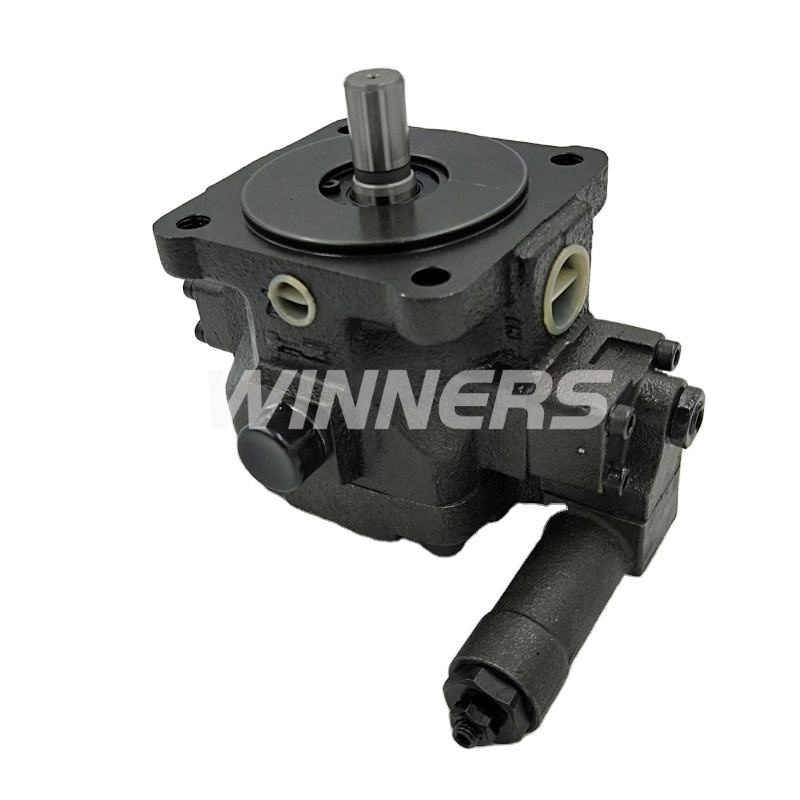
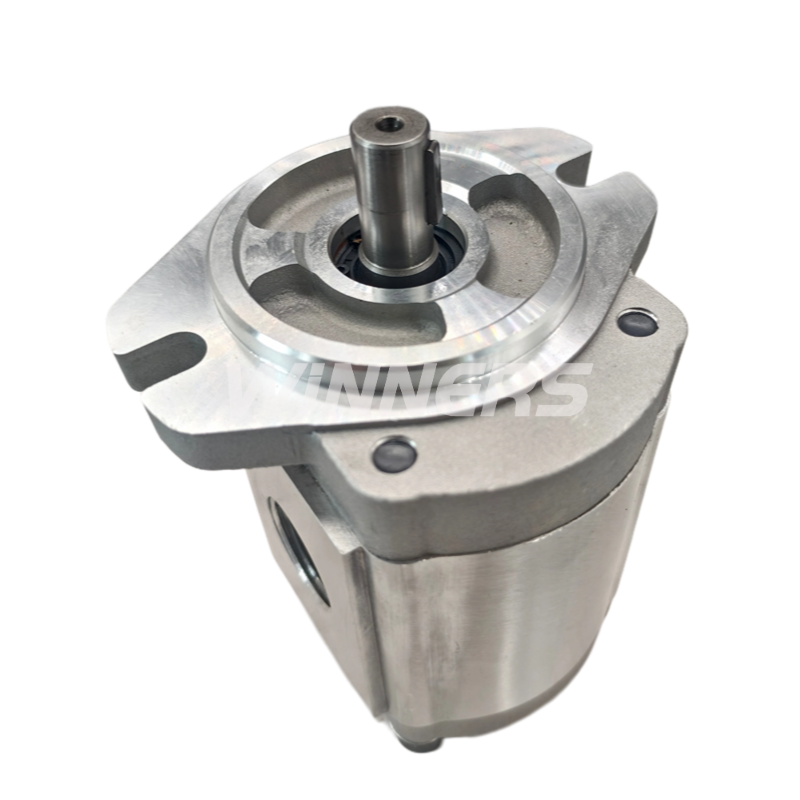
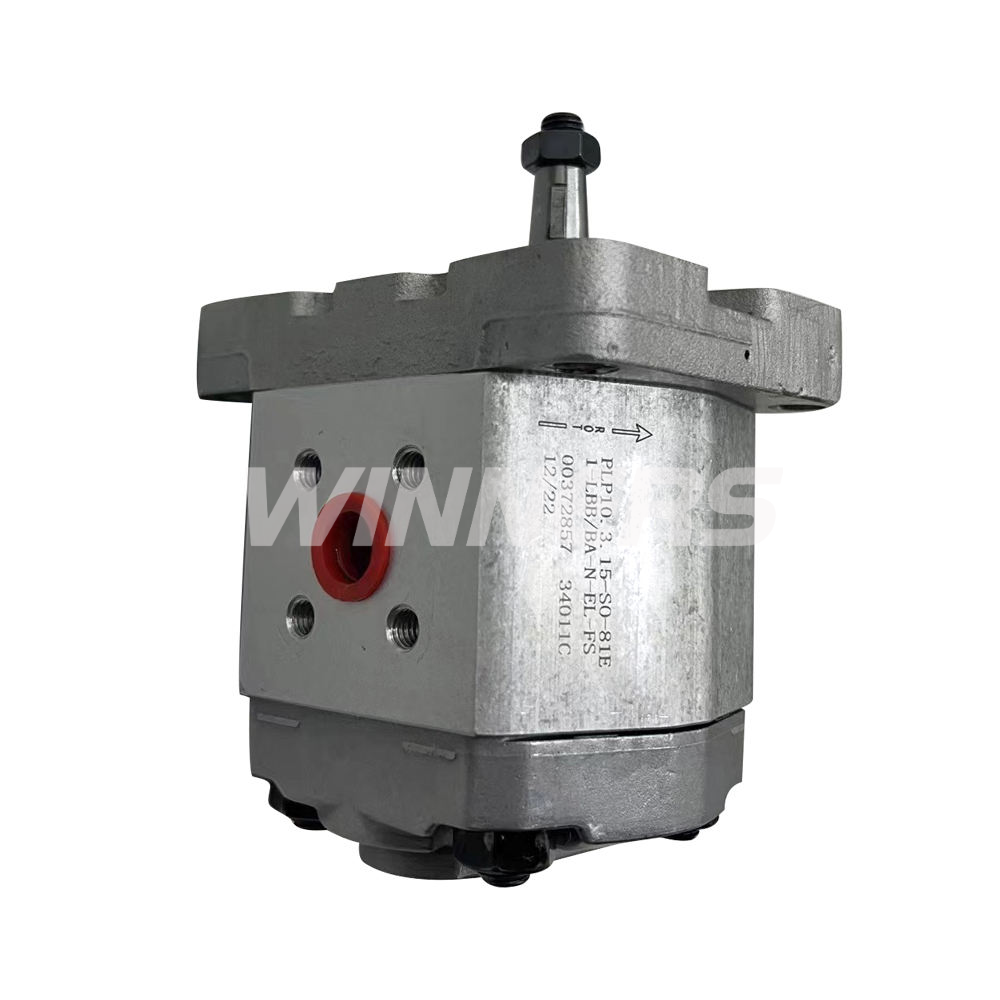
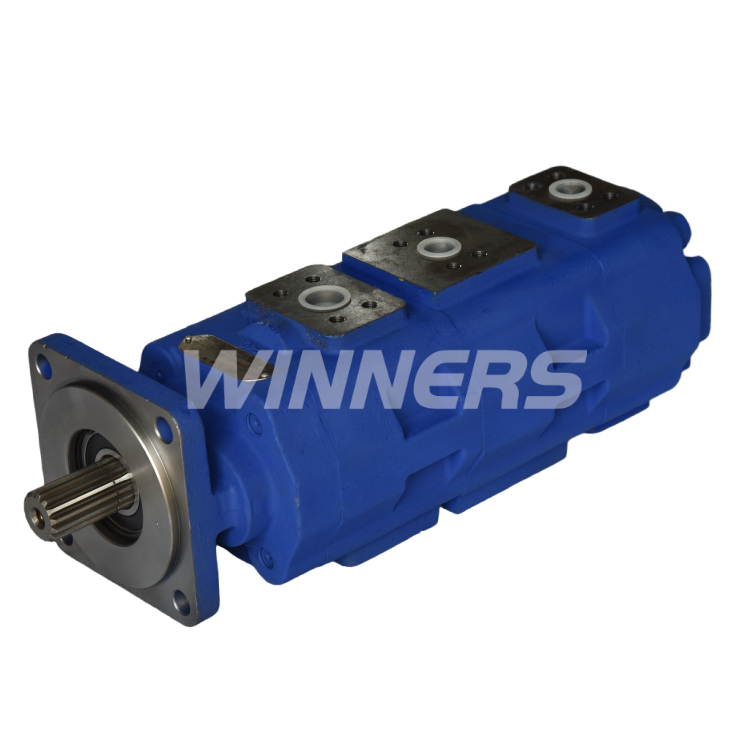
Contamination control is arguably the single most important factor in maximizing the operational lifespan of a hydraulic pump. Solid particulate contamination, measured in microns, acts as an abrasive agent that accelerates the wear of closely fitted components inside the pump, such as the slippers and swashplate in a piston pump or the vanes and cam ring in a vane pump. This wear leads to increased internal leakage and a corresponding drop in efficiency and performance. To combat this, a multi-pronged approach is essential. The system must be assembled with clean components and filled with fluid that has been filtered to the target cleanliness level. High-quality filters, with a beta ratio appropriate for the system's sensitivity, must be installed in both the pressure and return lines, and these filters should be monitored and replaced based on differential pressure indicators, not just a time schedule. Regular fluid analysis is a powerful predictive maintenance tool that can detect rising levels of wear metals (iron, copper from pump components) and silicon (dirt) well before a catastrophic failure occurs, allowing for scheduled intervention.
Copyright © 2025 Baoding Winners Trading Co., Ltd. All Rights Reserved. - Privacy policy