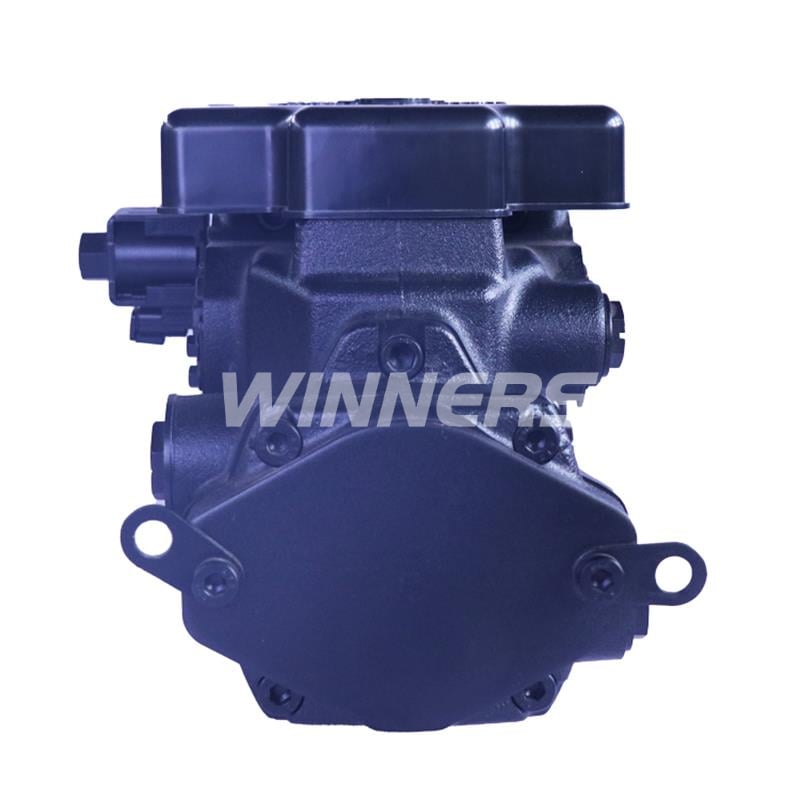
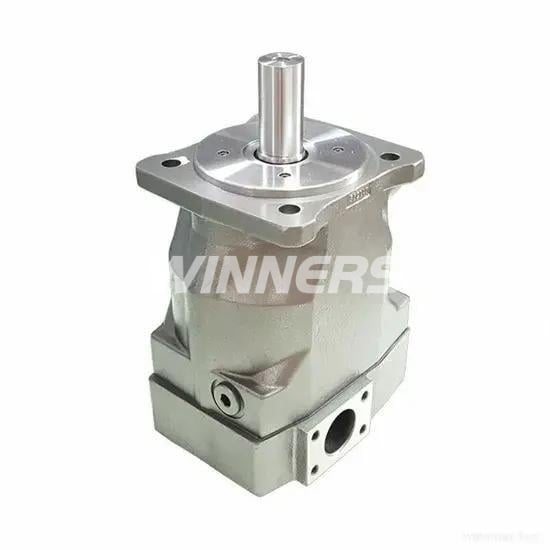
When a hydraulic pump begins to fail, the symptoms can manifest in various ways, and prompt diagnosis is key to preventing secondary damage to other system components. A common indicator of pump wear is a noticeable increase in operating noise, often characterized by a high-pitched whine or cavitation howl. Cavitation occurs when the pump is starved of fluid at the inlet, causing the formation and subsequent implosion of vapor bubbles, which damages internal surfaces and degrades performance. Another clear sign is a gradual or sudden loss of system performance; for example, a hydraulic press may operate more slowly or be unable to achieve its full tonnage. This is frequently linked to a drop in pump flow output due to internal wear of gears, vanes, or piston assemblies, allowing fluid to leak back internally (a loss in volumetric efficiency). Visual inspection of the hydraulic fluid can also provide clues; the presence of fine metallic particles in the oil filter or sump often indicates advanced wear of the pump's internal components. Elevated fluid temperature, beyond the system's normal operating range, can also be a consequence of an inefficient pump converting more mechanical energy into waste heat.
Copyright © 2025 Baoding Winners Trading Co., Ltd. All Rights Reserved. - Privacy policy