Composants essentiels des systèmes hydrauliques : l’importance de bien comprendre les moteurs et les pompes
Pour les commerçants internationaux et les fabricants industriels d’équipements hydrauliques, comprendre la différence entre les moteurs hydrauliques et les pompes hydrauliques est essentiel afin de prendre les bonnes décisions d’approvisionnement. De nombreux acheteurs confondent ces deux composants fondamentaux : bien qu’ils fonctionnent conjointement dans un système hydraulique, ils remplissent des fonctions opposées. Les pompes hydrauliques convertissent l’énergie mécanique en énergie hydraulique, tandis que les moteurs hydrauliques convertissent l’énergie hydraulique en énergie mécanique. Le choix d’un composant inadapté pour une application donnée entraîne des pannes fréquentes, des remplacements coûteux et des pertes financières. Cet article détaille les différences fondamentales entre les moteurs hydrauliques et les pompes hydrauliques, présente leurs scénarios d’application spécifiques et vous aide à sélectionner le composant adapté à vos besoins ou à ceux de vos clients.
Différences fondamentales entre les moteurs hydrauliques et les pompes hydrauliques
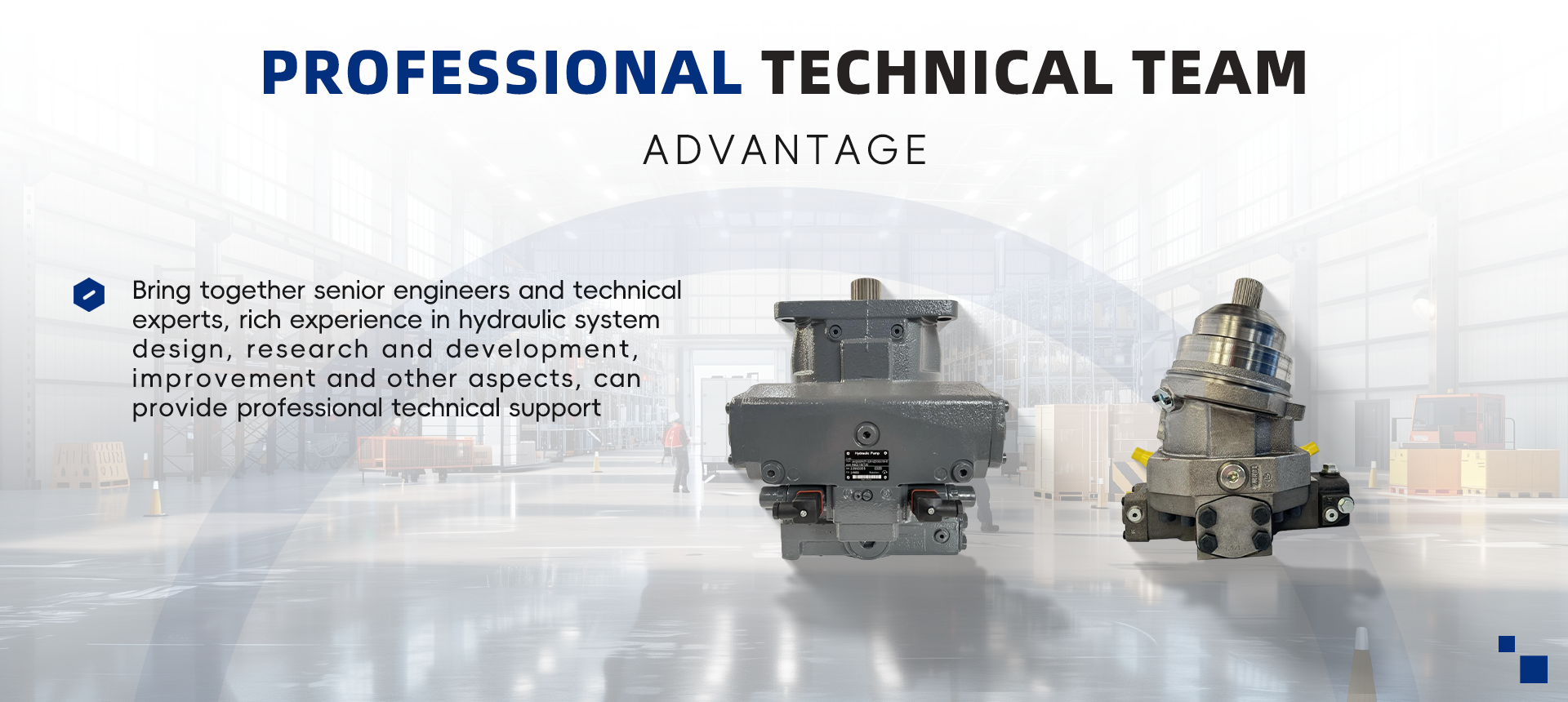
La différence la plus fondamentale entre les moteurs hydrauliques et les pompes hydrauliques réside dans le sens de la conversion d’énergie et dans la conception fonctionnelle. Les pompes hydrauliques sont conçues pour générer un débit et une pression : elles reçoivent une puissance mécanique provenant d’un moteur ou d’un autre organe moteur et la transforment en puissance hydraulique (énergie du fluide), qui est ensuite acheminée à travers le système hydraulique. Les pompes sont généralement conçues pour un fonctionnement unidirectionnel, avec un accent mis sur l’efficacité et la génération de pression. En revanche, les moteurs hydrauliques sont conçus pour recevoir cette puissance hydraulique (énergie du fluide) et la transformer en puissance mécanique rotative, qui entraîne des machines telles que des convoyeurs, des engins de chantier et des ventilateurs industriels. Les moteurs sont souvent conçus pour un fonctionnement bidirectionnel, avec un accent mis sur le couple et la régulation de la vitesse.
Différences de scénarios d’application entre les moteurs hydrauliques et les pompes hydrauliques
Une autre différence majeure réside dans les scénarios d’application et les exigences de performance. Les pompes hydrauliques constituent le « cœur » d’un système hydraulique : elles sont utilisées dans tous les systèmes hydrauliques, depuis les petites machines d’emballage jusqu’aux grands équipements de construction. Le type de pompe (à palettes, à pistons ou à engrenages) dépend des exigences en pression de l’application : les pompes à pistons pour les hautes pressions, les pompes à engrenages pour les basses pressions. Les moteurs hydrauliques, quant à eux, sont sélectionnés en fonction des besoins en couple et en vitesse ; ils conviennent parfaitement aux applications nécessitant un mouvement de rotation continu, telles que les palans de grue, les machines agricoles et les équipements miniers. En tant que distributeur, comprendre ces différences vous permet de répondre aux besoins spécifiques de vos clients et d’éviter de leur fournir des composants inadaptés.
Résumé et invitation à la coopération
Comprendre les différences fondamentales entre les moteurs hydrauliques et les pompes hydrauliques est essentiel pour réussir sur le marché des équipements hydrauliques. En maîtrisant leurs principes de fonctionnement, leurs caractéristiques de conception spécifiques et leurs scénarios d’application, vous pouvez prendre des décisions d’achat éclairées, aider vos clients à choisir les pièces adaptées et éviter des erreurs coûteuses. Nous proposons une gamme complète de moteurs et de pompes hydrauliques de haute qualité, chacun conçu pour des applications précises et testé afin de répondre aux normes internationales. Que vos clients aient besoin d’un moteur hydraulique à haut couple pour des engins de chantier ou d’une pompe hydraulique à haute pression pour un usage industriel, nous sommes en mesure de répondre à leurs besoins. Contactez dès aujourd’hui notre équipe pour en savoir plus sur nos moteurs et pompes hydrauliques et obtenir un devis personnalisé pour votre commande en gros.
Copyright © 2025 Baoding Winners Trading Co., Ltd. All Rights Reserved. - Politique de confidentialité


