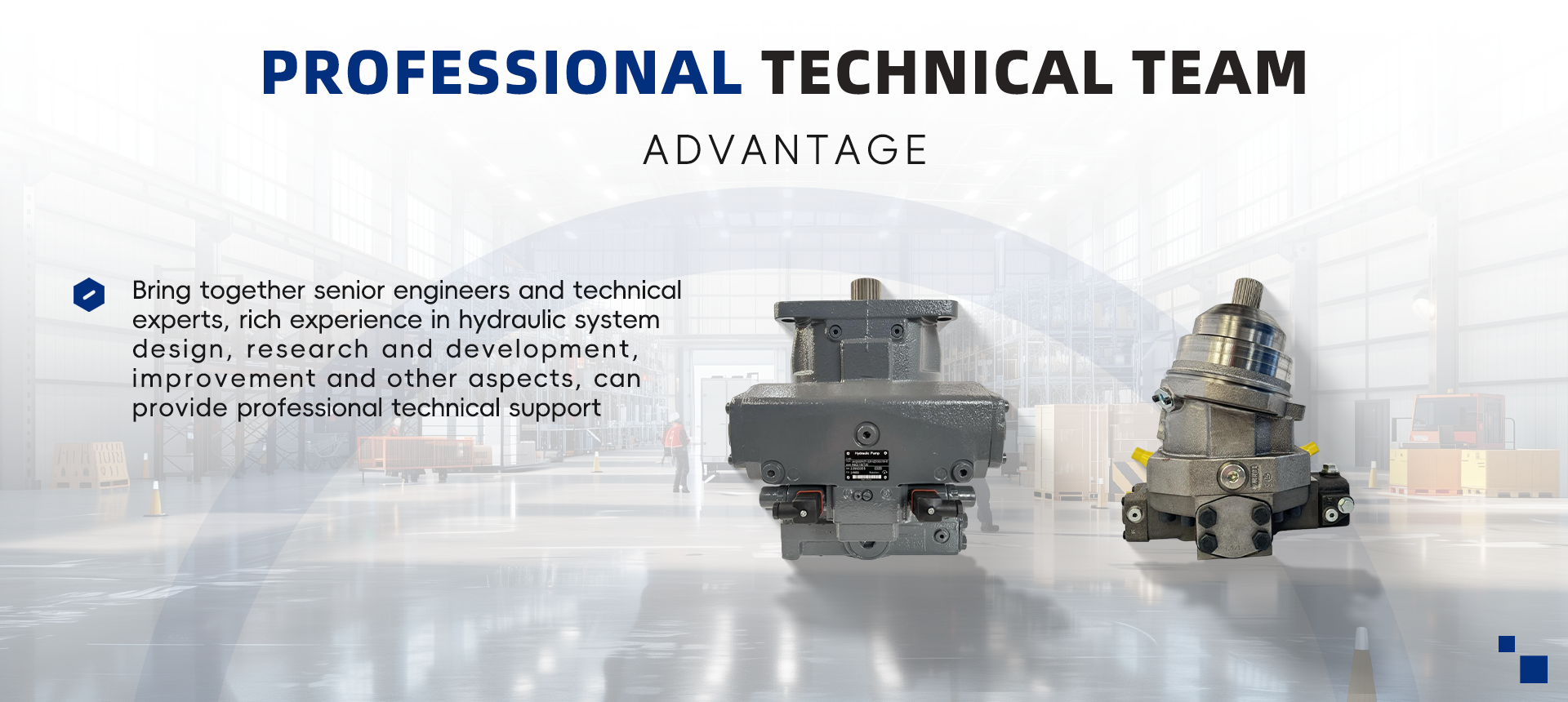
Piston pumps can create operating pressures over 400 bar which is almost three times what gear pumps typically produce. That's why they're so important for heavy machinery used in construction work such as those big hydraulic excavators and pile drivers we see on job sites. The ability to maintain such high pressure means these machines can transmit consistent force even when lifting massive 50 ton loads or running powerful demolition tools. And despite the harsh conditions, piston pumps keep working reliably whether it's freezing cold at minus 20 degrees Celsius or scorching hot around 120 degrees.
Modern axial piston pumps achieve 89–92% mechanical efficiency by minimizing internal leakage, directly reducing diesel fuel consumption in machinery. Field tests show a 15% decrease in hourly fuel use compared to gear pump systems, translating to annual savings of over $18,000 for mid-sized excavators operating 2,000 hours per year.
Variable displacement technology allows piston pumps to adjust flow rates within 0.2 seconds of operator input. This responsiveness reduces backhoe loader digging cycles by 12–18%, enabling contractors to complete 6–8 additional cycles per hour without increasing engine RPMs.
| Feature | Piston Pumps | Gear Pumps |
|---|---|---|
| Max Pressure | 400–700 bar | 120–250 bar |
| Efficiency at 50% Load | 85% | 62% |
| Lifetime (Hours) | 8,000–12,000 | 3,000–5,000 |
| Cost per 1,000 Hours | $38 | $112 |
This performance gap explains why 78% of new construction equipment models now use piston pumps for primary hydraulic functions, up from just 34% a decade ago.
Most heavy machinery relies on piston pumps for their hydraulic systems these days, probably around 85-90% give or take depending on who's counting. The axial design really helps with managing loads when machines are under stress. Take excavators for instance they can control their booms pretty accurately, within about 2% most of the time. Mobile cranes also benefit from this setup, keeping their hydraulic flow stable even when lifting massive weights well over 50 tons. What makes all this possible? Those special pressure compensated valves inside the system. They're constantly adjusting fluid output hundreds of times every minute, which stops things from getting overloaded whenever operators make quick direction changes on site.
Piston pump equipment keeps running strong at around 92% efficiency even when temps hit extremes from -22 degrees all the way up to 122 degrees Fahrenheit. That's quite a jump from the roughly 74% we see with gear pump systems. The secret lies in those contamination resistant swashplates plus dual stage filters that let these machines keep going at pressures between 3,000 and 5,000 psi right through dusty demolition zones where other gear would just give up. Look at maintenance records from 2023 and it becomes clear why companies love them for round-the-clock work schedules. Hydraulic system breakdowns drop by about 18% each year with these pumps installed, which means fewer headaches and downtime costs for operations managers.
A North American contractor replaced 214 gear pumps with axial piston models across its excavator fleet, achieving:
| Metric | Before | After 12 Months | Improvement |
|---|---|---|---|
| Hydraulic downtime | 14 hrs/mo | 3.2 hrs/mo | 77% reduction |
| Fuel use per hour | 9.1 L | 7.4 L | 19% reduction |
| Component lifespan | 8,000 hrs | 12,500 hrs | 56% increase |
This transition highlights how variable displacement technology responds to load changes 0.2 seconds faster than fixed displacement systems—critical when operating cranes near payload limits.
Construction grade piston pumps come with toughened parts and heat resistant materials that can handle extreme temps ranging between minus 40 degrees Fahrenheit all the way up to 250 degrees. Recent research on fluid systems back in 2023 showed something interesting about these pumps too. When tested over 10 thousand operating hours in actual quarry machinery, those made with nickel chromium alloys cracked only about 72 percent less compared to regular models. Why does this happen? Well, engineers use special computer modeling called FEA to design better stress distribution across pump components. That makes these pumps last longer in demanding jobs such as running massive rock crushing machines or laying down hot asphalt mixtures on roadways.
Modern piston pumps with their closed loop design cut down on component contact with those pesky abrasive particles by around 89 percent, which means parts last much longer before wearing out. For typical earthmoving gear, this translates into maintenance checks happening every 2000 service hours plus or minus, which is actually about 40% better than what we saw with the older versions back in the day. Field operators have noticed something interesting too: when they switched over to these piston driven systems, their yearly repair bills dropped by roughly 18%. A bunch of companies ran tests on this across three years with 120 excavators total, and the numbers pretty much check out across the board.
The latest multi layer seal designs on piston pumps keep out around 95 percent of contaminants, which matters a lot at places covered in dust such as demolition zones. When put through hydrostatic tests, these seals hold up just fine even when pressure goes past 5000 psi marks, so they work reliably in both mud pumps and those big concrete boom machines. Looking at actual field reports from mines operating in areas full of silica dust, operators report their piston pumps run almost constantly with only 0.4% downtime recorded over months of operation. That kind of reliability beats other pump types by roughly one third according to comparative studies done across several industrial sites last year.
Key stat: Piston pumps with ceramic-coated plungers demonstrate 50% longer lifespan in temperature-cycling tests compared to uncoated variants (Fluid Power Institute, 2024).
Hydraulic variable displacement piston pumps automatically adjust fluid flow based on real-time system demands. By changing the swashplate or bent axis angle, they modulate displacement volume to deliver only the required power, eliminating energy waste. This adaptability makes them ideal for cranes and excavators, where load requirements fluctuate constantly.
Load-sensing systems use pressure feedback to align pump output with actual machinery needs. When combined with variable displacement, they reduce energy consumption by up to 30% compared to fixed-displacement systems. This integration prevents overheating and supports smoother operation under dynamic loads, such as lifting heavy materials or trenching uneven terrain.
Combining pressure-limiting valves with load-sensing circuits protects components from overpressurization while fine-tuning flow rates for maximum efficiency. Studies show this approach delivers 8–15% fuel savings in heavy machinery, making it especially valuable for cost-sensitive construction projects.
Modern piston pumps now integrate IoT sensors to monitor wear, contamination levels, and efficiency in real time. This data enables predictive maintenance, reducing unplanned downtime by 25% in field trials. As automation advances, these intelligent systems will increasingly synchronize with GPS-guided machinery to optimize both fuel use and task precision.
Piston pumps offer significantly higher pressure output and efficiency than gear pumps, making them ideal for heavy-duty applications in construction machinery.
By minimizing internal leakage and adjusting flow rates based on real-time demand, piston pumps can reduce fuel consumption by up to 30% compared to fixed-displacement systems.
Piston pumps are designed to resist contamination and wear, resulting in longer maintenance intervals and reduced downtime, lowering lifecycle costs significantly.
These technologies enable the pump to adapt output power to the precise demands of the machinery, eliminating energy waste and preventing overheating.
Copyright © 2025 Baoding Winners Trading Co., Ltd. All Rights Reserved. - Privacy policy


