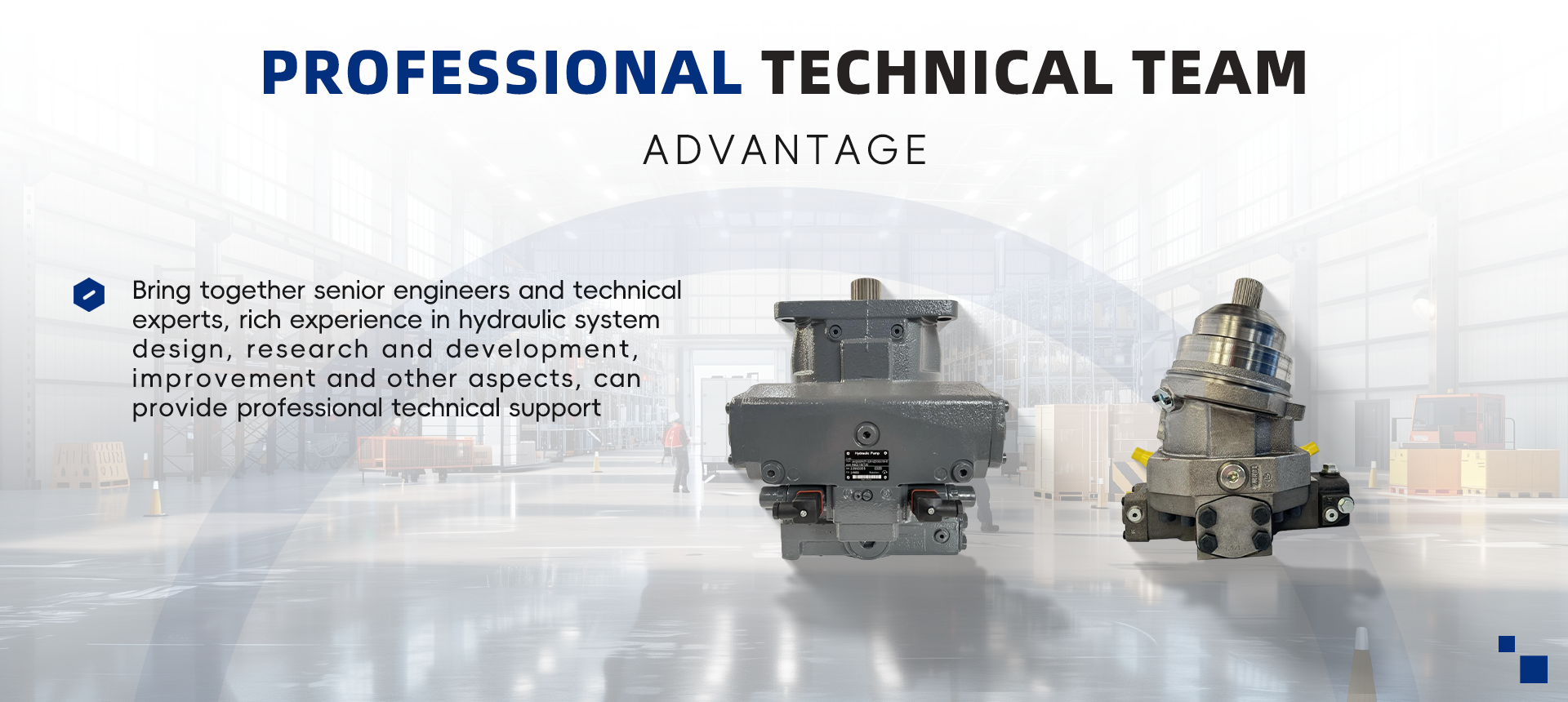
Axial piston pumps create hydraulic power using pistons that move back and forth along the same axis as the drive shaft. When the main shaft spins, those pistons slide in and out of their cylinders inside the pump body. During each cycle, they suck in fluid when moving outward (intake stroke) and then push it out under pressure when retracting (discharge stroke). The magic happens at the valve plate which sits between the pump chambers and controls where the fluid goes from inlet to outlet. This setup keeps things simple mechanically but still manages impressive efficiency rates. That's why construction equipment manufacturers love them so much for their excavators and bulldozers that need constant power delivery without breakdowns.
How far the pistons move depends on the swashplate angle, which controls how much fluid gets displaced during operation. Today's swashplates are often made from hardened steel or special composites because they need to handle serious pressure conditions, sometimes reaching as high as 6000 psi in heavy farm equipment applications. When operators change the swashplate position, they can fine tune the flow rate according to what the system actually needs at any given moment. Tests have found this adaptability cuts down wasted energy anywhere between 15 percent and 22 percent when compared against traditional fixed displacement pumps that don't adjust themselves. The sealing surfaces on these components are machined with extreme precision too, since even small leaks around those areas would significantly impact overall system performance over time.
| Control Method | Fixed Displacement | Variable Displacement |
|---|---|---|
| Stroke Adjustment | Mechanically fixed | Swashplate angle modulated |
| Flow Output | Constant | Pressure/load-responsive |
| Energy Use | Higher at partial load | Optimized across conditions |
Variable displacement systems automatically adjust piston stroke via hydraulic or electronic controls, enabling precise flow modulation. This load-sensing capability ensures consistent performance in equipment like planters and sprayers, even under fluctuating field conditions.
The high volumetric efficiency of axial piston pumps, sometimes reaching around 95%, comes from extremely precise machining work on those tiny valve plates and sealing areas at the micron level. Some tests show that when these components are designed better, they cut down on fluid leakage by roughly two thirds compared to regular versions, which means less wasted energy overall. Getting this kind of precision matters a lot because it stops cavitation problems and keeps pressure steady even when pushing past 350 bar. That's why farmers rely on these pumps for their heavy duty tractor attachments and various agricultural machinery where consistent performance is absolutely essential.
Advanced axial designs dissipate heat 40% faster than bent-axis counterparts using integrated cooling channels. Hydrostatic bearings maintain oil film integrity even at 90°C operating temperatures, which is essential for combine harvesters during extended harvesting cycles. The thermal gradient across piston-cylinder pairs remains below 15°C, preserving hydraulic fluid viscosity and performance.
Case-hardened steel pistons with diamond-like carbon coatings exhibit 50% less wear after 10,000 hours in soil compaction testing. Premium alloy valve plates resist pitting from water-contaminated hydraulic oil—a common issue in crop spraying systems—extending service intervals to 8,000 hours.
Load-sensing axial pumps maintain ±2% flow accuracy when switching between low-pressure seeders (80 bar) and high-pressure balers (320 bar). Adaptive pressure compensators respond to load changes in 150 milliseconds—faster than typical tractor hydraulic response times—ensuring uninterrupted power delivery during plowing operations.
Axial piston pumps offer pretty impressive energy savings because they adjust their flow rate based on what the machinery actually needs at any given moment. Research indicates that these variable displacement systems can cut down on wasted power by around 30 percent when compared to older fixed displacement models. The reason? They stop sending extra fluid through the system when it's not needed. Farmers have really taken notice of this benefit in recent years. Combine harvesters and balers spend a lot of time switching back and forth between periods of intense operation during grain threshing and long stretches of just sitting there waiting for the next field. Having a pump that adapts to these changing conditions makes a big difference in fuel costs over the course of a season.
This single pump handles quite different tasks too. It pushes out 25 gallons per minute at 250 bar pressure when needed for those big jobs like moving heavy seeders around. But it also scales back down to just 8 GPM at 90 bar for those precision fertilizing operations where precision matters most. The secret lies in variable displacement technology which lets the pump adjust its swashplate settings really fast actually faster than most field workers can even react to changes themselves. This means farmers get great performance whether they're working through tough rocky terrain or carefully tending to fragile crop plants without damaging them.
Advanced models integrate load-sensing technology that recaptures energy from lowering implements or decelerating machinery. This recovered power supplements the tractor’s engine output, reducing fuel consumption while maintaining consistent torque for PTO-driven attachments such as hay balers and post-hole diggers.
Axial piston pumps have become the hydraulic system backbone for modern agricultural machinery due to their unmatched combination of power density, operational flexibility, and environmental resilience. These components achieve 92–96% mechanical efficiency in real-world conditions, making them indispensable for contemporary farming operations.
Axial piston pumps have a compact build that makes them easy to mount directly onto tractor PTO systems. Farmers also find they work really well with all sorts of equipment like combine harvesters, balers, and sprayers. According to recent industry reports, around three out of four new agricultural machines come equipped with these pumps for their main hydraulic operations. Why? Well, these pumps can handle several attachments at once without losing grip on flow control precision. That's why so many manufacturers keep choosing them despite the initial cost difference compared to other options.
The agricultural axial piston pumps come equipped with hardened steel parts and multi stage filters that can handle all sorts of farm messes including crop debris, silica dust, and extreme temperatures anywhere between minus 20 degrees Celsius and 120 degrees Celsius. According to field testing results, these particular pumps manage to keep about 85 percent of their original efficiency even after running for 8,000 hours straight inside combine harvesters. That's pretty impressive when compared to other pump designs on the market which usually fall back to around 55 to 60 percent efficiency under similar conditions.
Modern axial piston pumps adjust displacement from 2% to 100% within 300 milliseconds in response to changing loads—a vital feature for equipment shifting between tilling, planting, and harvesting modes. This responsiveness reduces diesel consumption by 12–18% in typical tractor-implement setups while preventing damaging pressure spikes that lead to hose failures.
Axial piston pumps boost fuel efficiency because they cut down on wasted energy within hydraulic systems. These pumps typically have volumetric efficiencies above 90%, which means less internal leakage happens and engines don't need to work so hard just to maintain proper hydraulic pressure levels. Take modern agricultural equipment for instance many newer axial piston pump models consume around 15% less energy than traditional gear pumps when used in tractor implements. Considering that hydraulics make up between 20% and 35% of what a diesel engine has to handle during combine operations or harvesting tasks, those seemingly small improvements in efficiency actually result in pretty significant reductions in overall fuel consumption across entire fleets of machinery.
New tech like tapered piston cylinder interfaces and finely machined valve plates are making a real difference in farm equipment, slashing energy waste by around 40% when operating under high pressure conditions. The latest load sensing axial piston pumps work smart too, adjusting their output flow exactly what's needed at any given moment instead of just running full blast all the time like old fixed displacement systems did. Farmers have noticed these pressure compensated designs keep things flowing smoothly even through long days in the fields. They generate about 25 degrees less heat during continuous tilling operations which means better temperature control for the whole system. Plus, this reduced heat stress extends how long hydraulic oil stays good before needing replacement, typically giving operators an extra couple hundred hours of service life out of their equipment.
A 2023 field trial with grain harvesters demonstrated an 18% reduction in annual diesel consumption (3,800 liters per machine) through redesigned axial piston pumps. Key improvements included:
These modifications reduced the pump’s average power draw from 28 kW to 23 kW during corn harvesting, while maintaining 2.9-second cycle times for hydraulic-driven augers.
Axial piston pumps are predominantly used in modern agricultural machinery for hydraulic operations, offering high efficiency and adaptability for tasks such as seeding, plowing, and harvesting.
These pumps reduce wasted energy by adjusting their flow rates based on the real-time needs of machinery, significantly cutting down on fuel consumption.
Axial piston pumps offer better adaptability, efficiency, and energy savings due to their ability to adjust the piston stroke and flow rate based on system demands.
They are typically made with hardened steel, special composites, and diamond-like carbon coatings to withstand high pressures and wear.
Copyright © 2025 Baoding Winners Trading Co., Ltd. All Rights Reserved. - Privacy policy


