
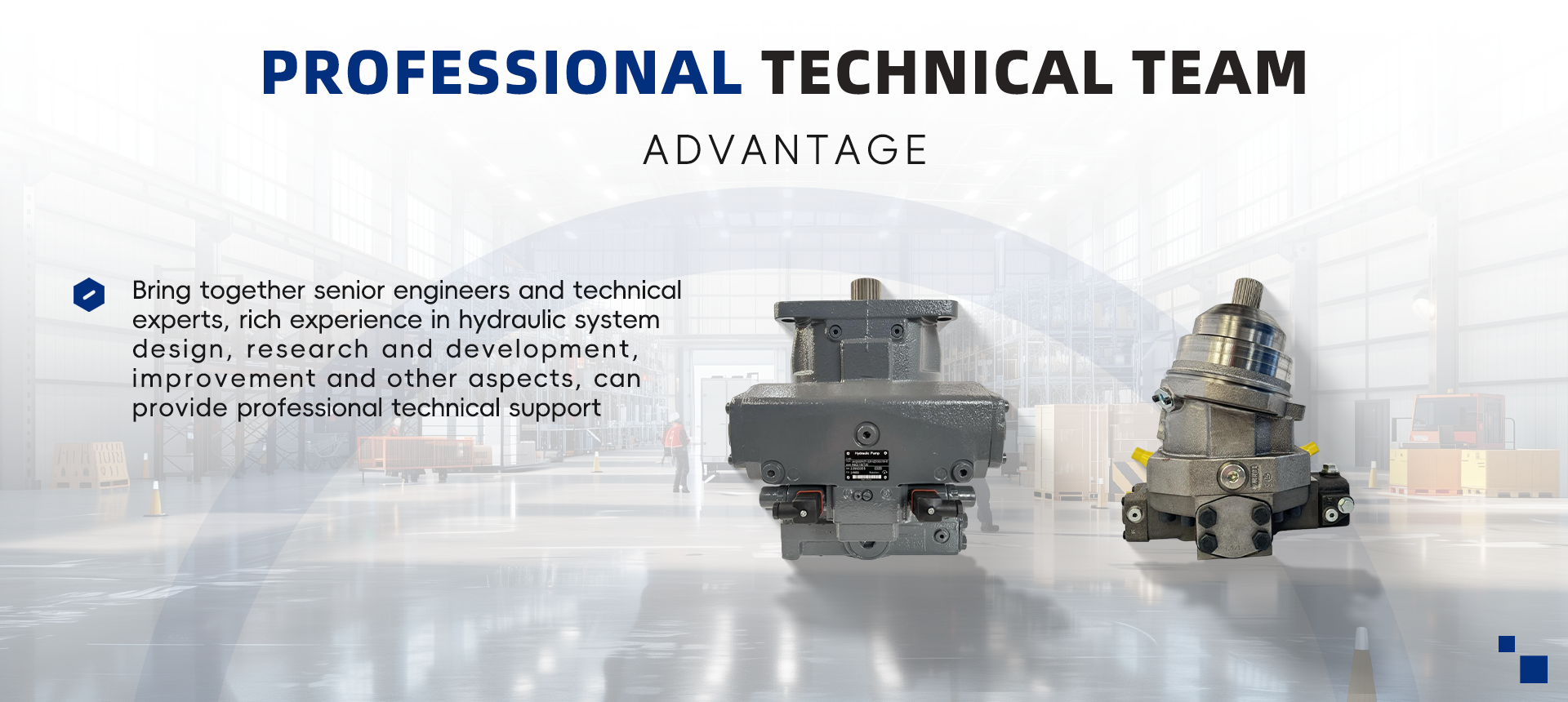
The hydraulic valves in excavators act like their brain and spinal cord combined, controlling how fluids move around so the machine can deliver power smoothly and react quickly when needed. These valves tweak flow rates just right and keep pressure levels really consistent, usually within about plus or minus 2 bars. That helps them handle those unexpected weight shifts that happen all the time when digging holes or lifting heavy stuff off the ground. A recent study from the Hydraulic Systems folks showed something interesting too: machines with newer flow control valves complete tasks 37 percent faster than ones still running on old school systems. Makes sense really, better control means less wasted motion and time.
Hydraulic valves work hard to keep things stable when machines are running over rough ground or dealing with materials that aren't uniform in weight distribution. Take a standard 20 ton excavator for example its boom valve actually moves around about 15 to maybe 20 liters of fluid each minute between different parts of the cylinders whenever there's sideways force applied. This kind of instant response helps keep the digging bucket pointed just right, staying pretty much straight within half a degree angle difference even if one side is carrying significantly more weight than the other side. Pretty impressive engineering really.
Directional control valves are what makes those fast, coordinated movements possible when machines need to handle complicated jobs. Take the situation where someone wants to lift the boom while rotating the bucket at the same time. These valves actually figure out which part needs more power first, sending most of the hydraulic fluid there while keeping other systems running at around 30 to 40 percent. Real world testing has demonstrated something pretty impressive too. Excavators equipped with these advanced high speed proportional valves respond about 220 milliseconds faster when doing multiple movements simultaneously. That might not sound like much, but in construction work every fraction of a second counts toward getting the job done right.
Maintaining system pressure between 250–320 bar during standard operations prevents damaging spikes, which account for 62% of hydraulic failures (Parker Hannifin 2023). Pressure-compensated valves automatically adjust for viscosity changes caused by temperature fluctuations, ensuring consistent performance across extreme environments from -20°C to 50°C.
Hydraulic valves manage fluid pathways to enable precise movement in heavy machinery. They maintain stability by balancing flow rates typically between 35–45 GPM during digging cycles. As confirmed by the 2024 Heavy Machinery Fluid Dynamics Report, control valves influence 78% of an excavator’s operational precision through real-time adjustments.
Modern hydraulic valves respond to pressure shifts up to 5,000 PSI within 0.2 seconds, preventing spikes that compromise control or damage components. Optimized valve designs improve cycle times by 15% in demanding applications like rock excavation compared to legacy systems.
| System Type | Pressure Tolerance | Response Time | Energy Efficiency |
|---|---|---|---|
| Passive Valves | ≤3,800 PSI | 0.5–1.2 sec | 82–88% |
| Active Valves | ≤5,200 PSI | 0.1–0.3 sec | 91–95% |
Active valves use electronic sensors and pressure compensation to adapt fluid dynamics up to 120 times per second, offering superior performance in unstable conditions. However, passive systems remain 23% more cost-effective for light-duty tasks under 2,500 PSI loads.
Valve reliability is critical to operator safety, as malfunctions can trigger catastrophic failures. Research from the Health and Safety Executive (2023) indicates that 87% of hydraulic-related accidents originate from valve issues such as improper pressure regulation or fluid leakage. High-performance valves prevent dangerous pressure surges, protecting both equipment and personnel.
Failure in high-pressure systems (3,000–5,000 psi) leads to immediate hazards:
A 2024 MDPI engineering review found that valve failures result in average repair and downtime costs of $740k when including part replacements and OSHA penalties.
Modern hydraulic valves incorporate three-tiered protection:
| Protection Tier | Function | Effectiveness Rate |
|---|---|---|
| Primary | Pressure relief valves activate at 110% max load | 94% failure prevention |
| Secondary | Electro-hydraulic shutdown triggers for temperature anomalies | 87% risk mitigation |
| Tertiary | Mechanical lockouts engage during sensor faults | 99.9% accident avoidance |
Adhering to ISO 4401 fluid cleanliness standards reduces valve failure risk by 68%, while real-time monitoring extends service life by 2.3 times compared to reactive maintenance.
The way hydraulic valves control how fast cylinders extend and retract is pretty important for getting that millimeter accurate positioning of arms and buckets. When everything works together properly, it stops those annoying jerky motions that can really mess things up, especially when dealing with fragile materials or operating on shaky terrain. These fancy pressure compensated valves are game changers because they keep the actuators moving at the same pace no matter what the load does. According to the latest issue of Machinery Lubrication, getting those valve signals just right lets equipment handle complex jobs such as laying down pipelines with almost medical level precision. Most operators will tell you this kind of control makes all the difference between a job done right and one that ends up needing expensive fixes later on.
Directional control valves work kind of like traffic cops for hydraulic systems, directing pressurized oil where it needs to go according to what the operator wants. This setup makes it possible to do multiple tasks at once without waiting for pressure to build up first. For example, operators can lift equipment arms while turning the whole machine around without losing power somewhere else. The proportional valves are special because they can stay partially open or closed depending on need, which means movements happen smoothly rather than in jerky steps. Systems controlled by microprocessors can switch these flow paths pretty quickly, maybe around half a second or so, which keeps everything running efficiently without wasting too much energy in the process.
The hydraulic system functions as an integrated network:
This closed-loop coordination maintains system pressure within 5% of target values during peak operation, minimizing energy loss as heat. Pressure relief valves return excess flow to the reservoir when actuators are idle, preserving component life and ensuring compliance with ISO 4413 safety standards.
The role of hydraulic valves in excavator systems is crucial as they regulate fluid pathways, ensuring precise movement and operational stability. By managing flow rates and pressure, these valves enhance the performance and responsiveness of excavators, contributing to efficiency in task completion.
Valve failure in high-pressure systems can lead to hazardous conditions such as uncontrolled cylinder motion, extreme fluid temperatures, and rapid wear of components. These failures can result in significant repair and downtime costs.
Copyright © 2025 Baoding Winners Trading Co., Ltd. All Rights Reserved. - Privacy policy


