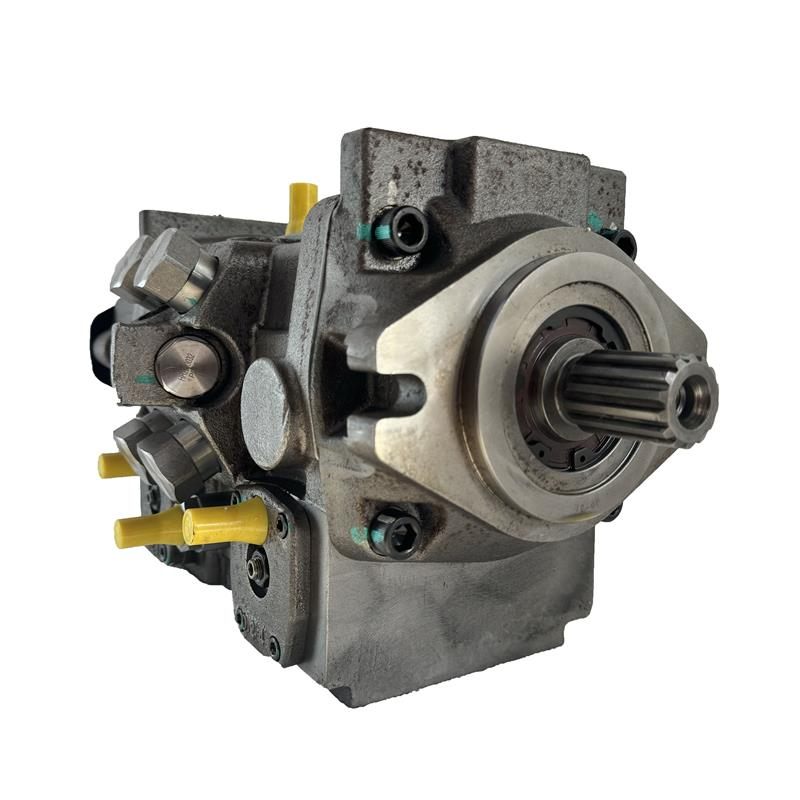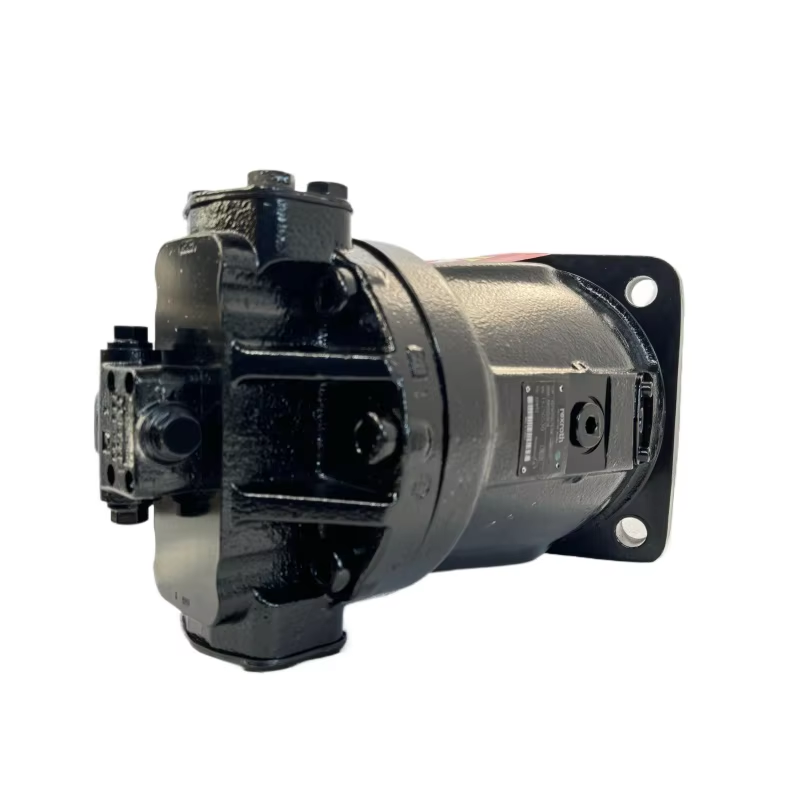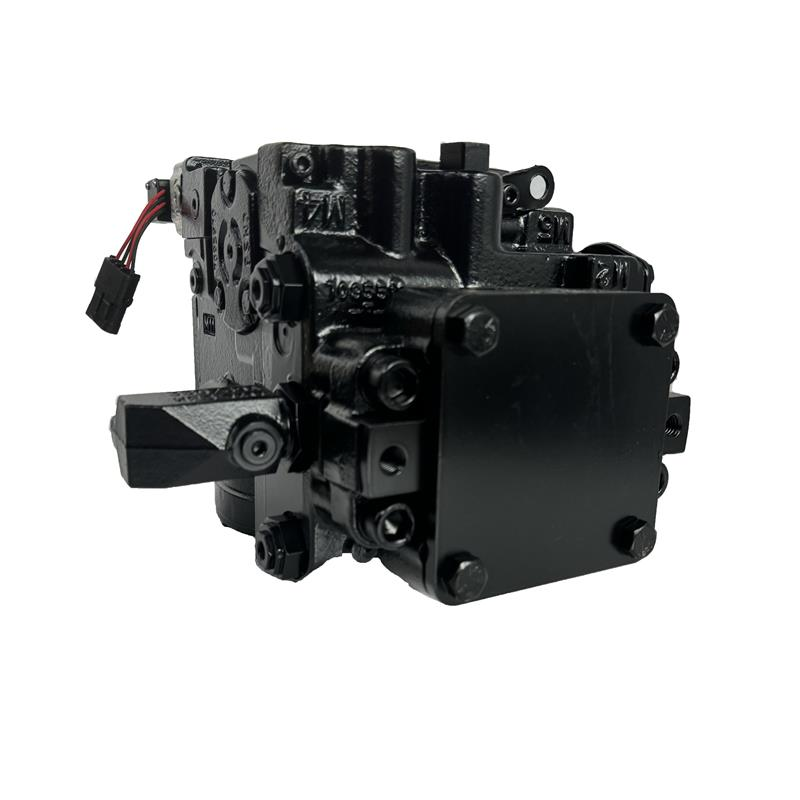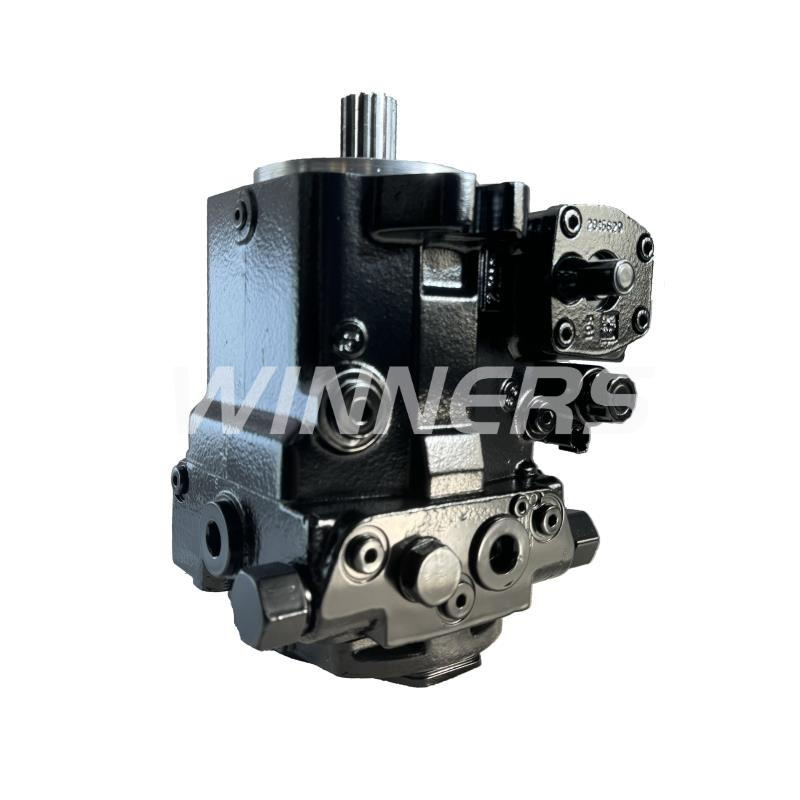
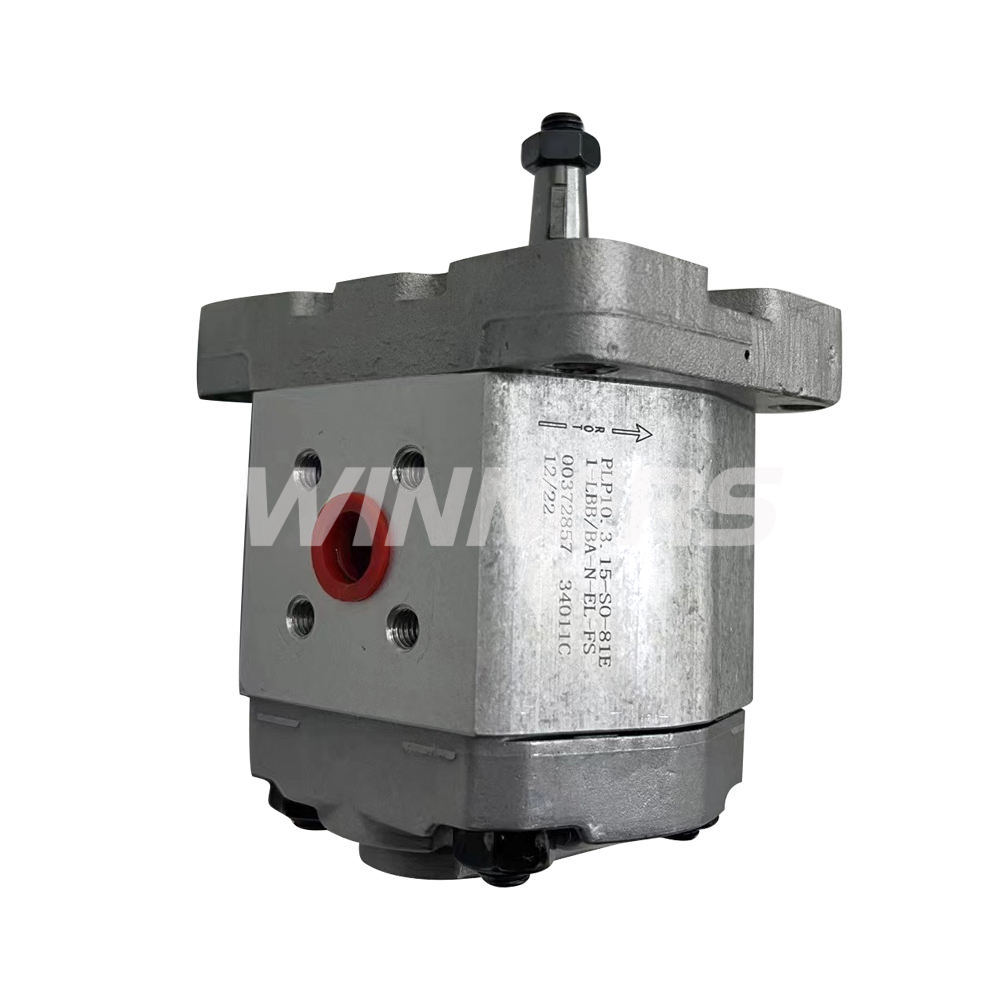
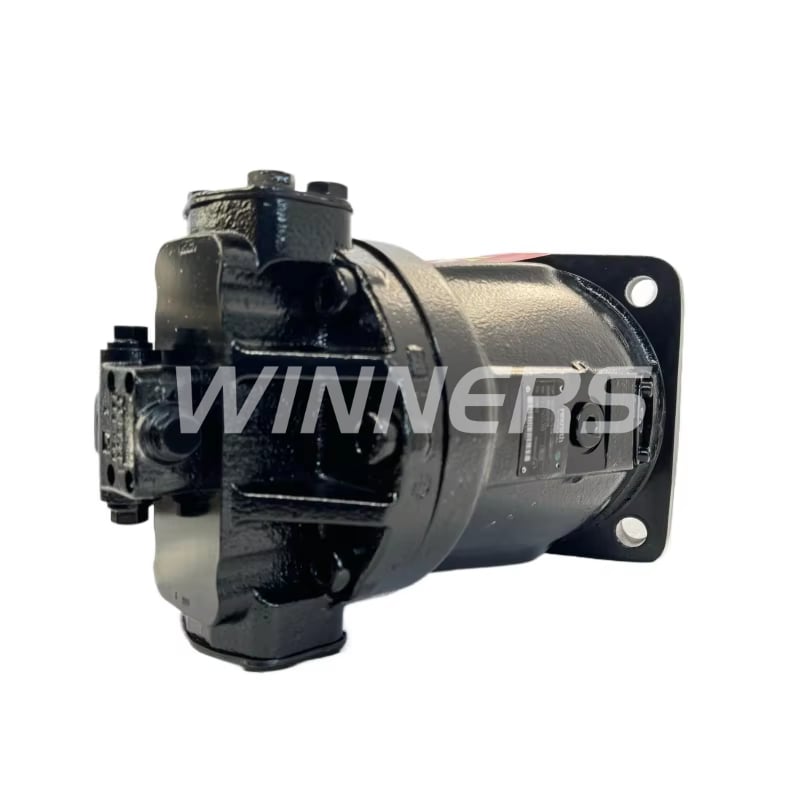
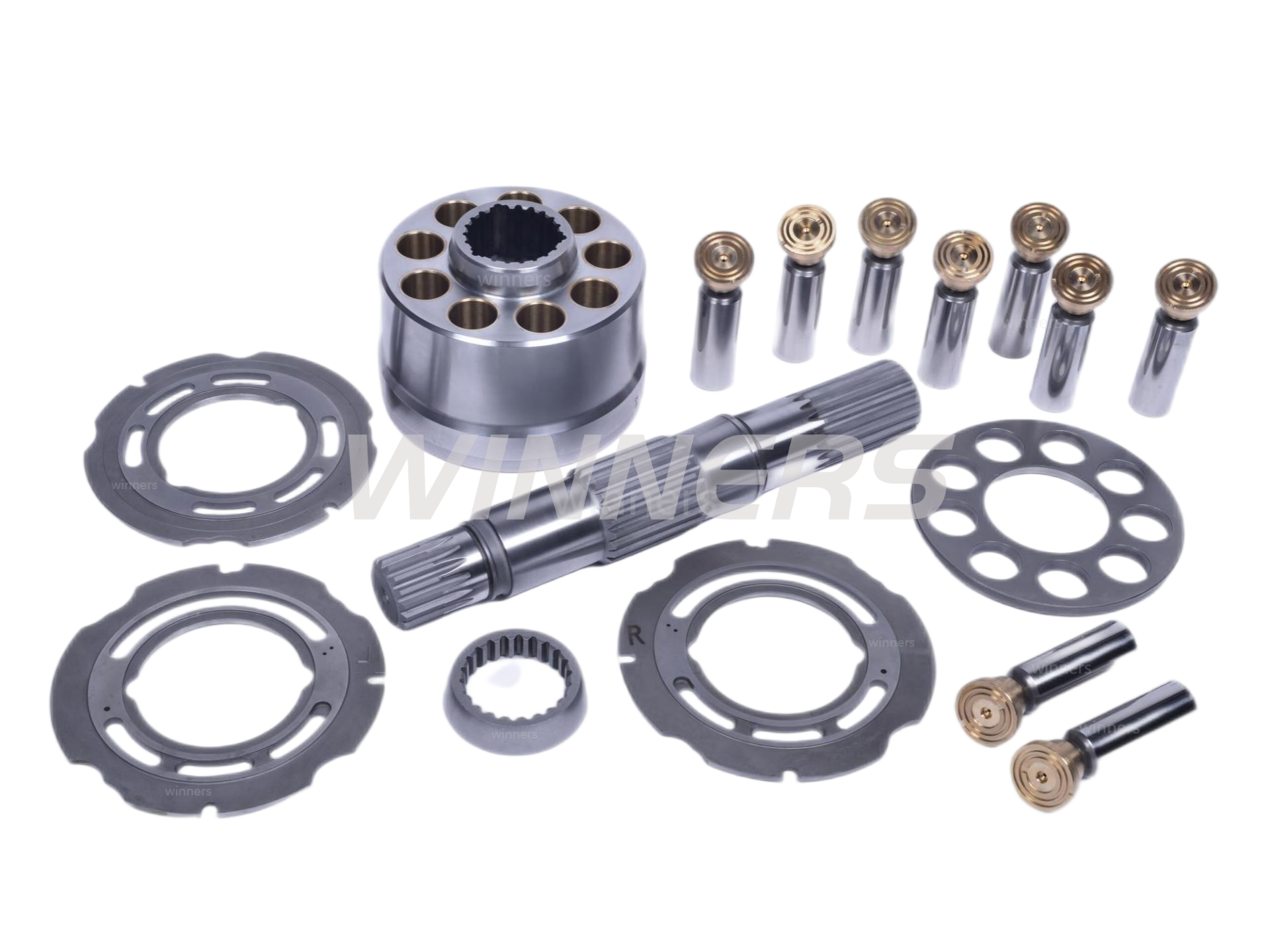
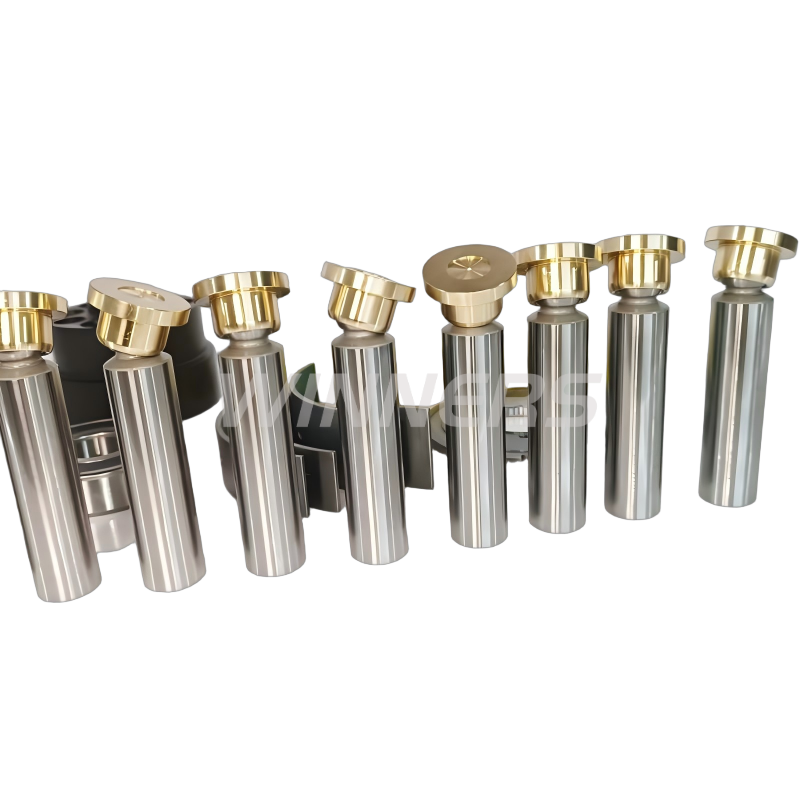
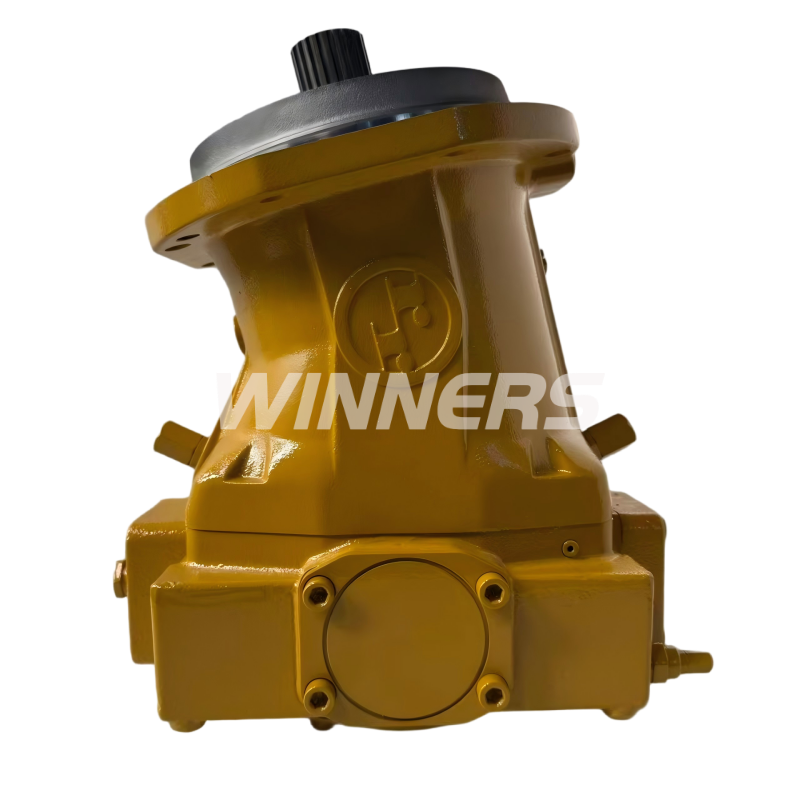
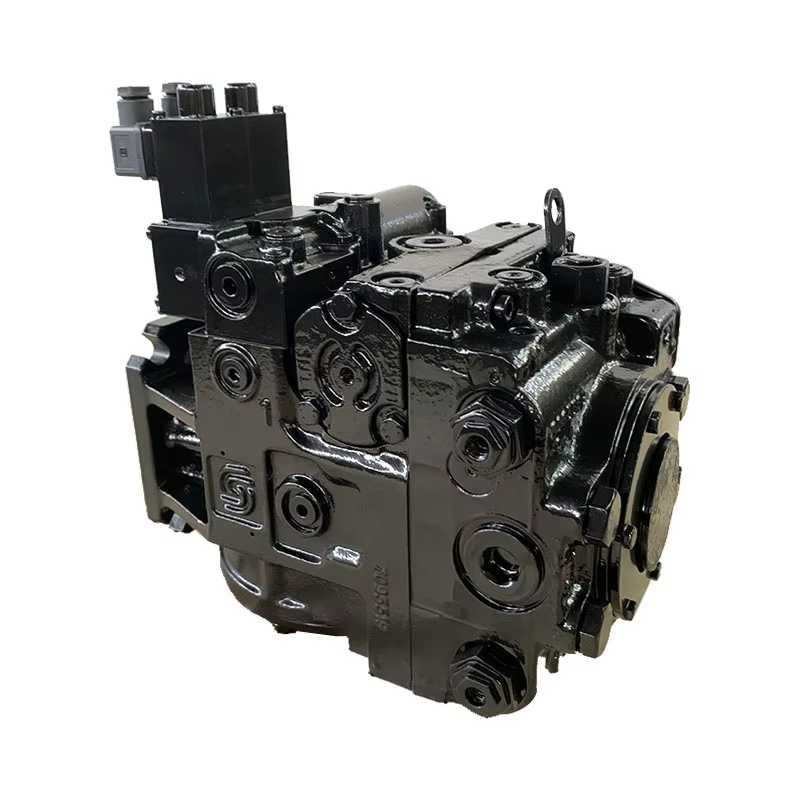
The concept of pump volumetric efficiency is a critical performance metric, defined as the ratio of the actual flow delivered by the pump to its theoretical flow capacity. A new pump typically operates at a high volumetric efficiency, often above 95% for a piston pump. However, as the pump wears over time, the internal clearances between its moving parts, such as pistons and cylinders or gear teeth and housings, increase. This allows a portion of the pressurized fluid to leak back to the low-pressure (inlet) side of the pump, a phenomenon known as internal leakage. This results in a lower actual flow rate delivered to the system for a given pump speed. The consequences are direct: a machine's functions, such as cylinder extension speed or motor RPM, will become slower. To compensate for this loss and maintain production speed, an operator might be forced to increase the engine RPM, leading to higher fuel consumption and increased system heat. Monitoring pump flow output under load is a standard method for assessing its health and determining when maintenance or replacement is necessary to restore system performance and efficiency.
Copyright © 2025 Baoding Winners Trading Co., Ltd. All Rights Reserved. - Privacy policy