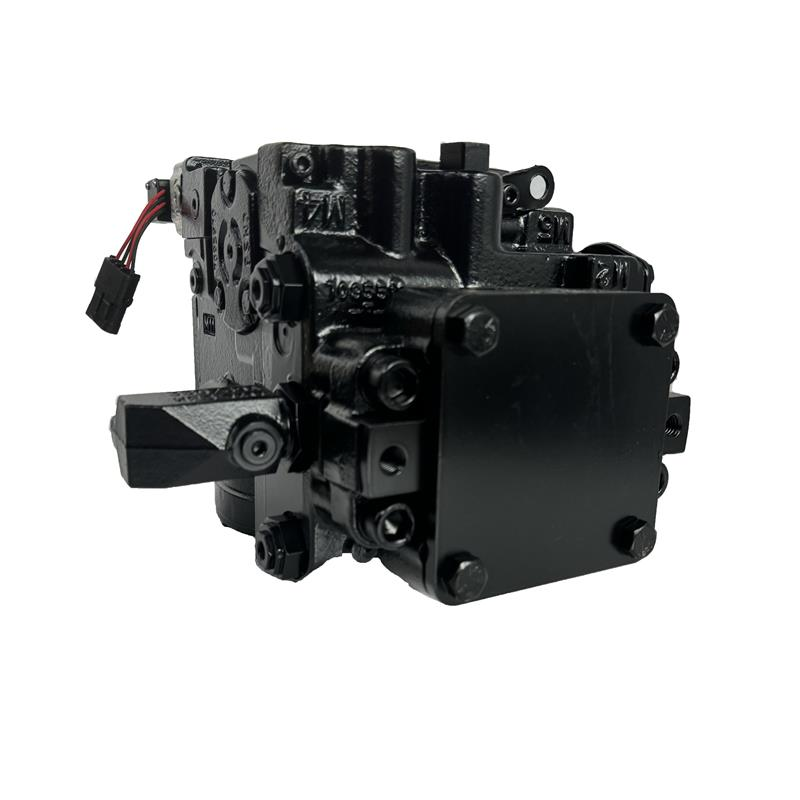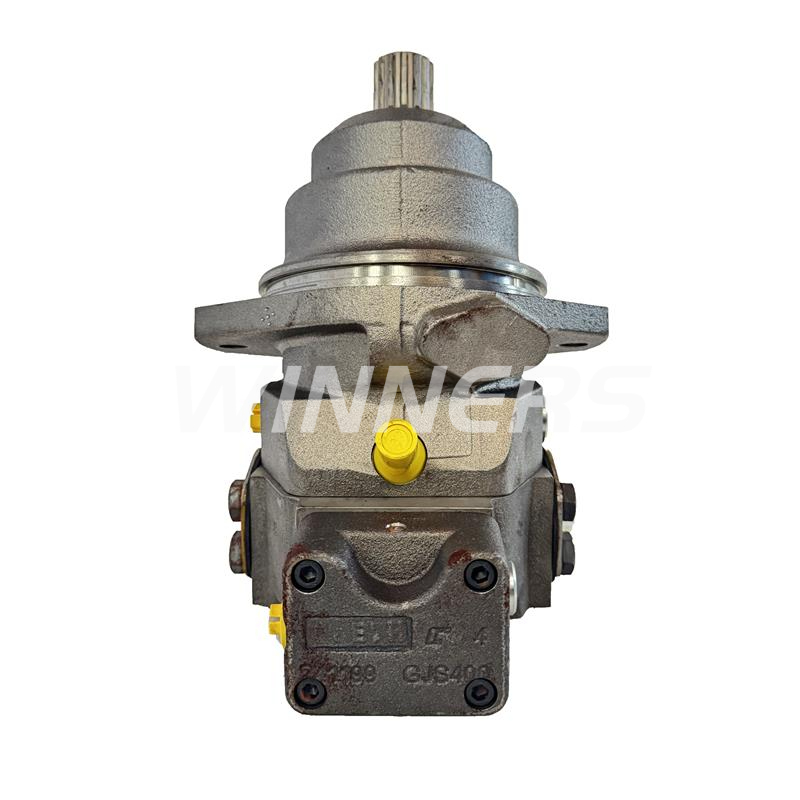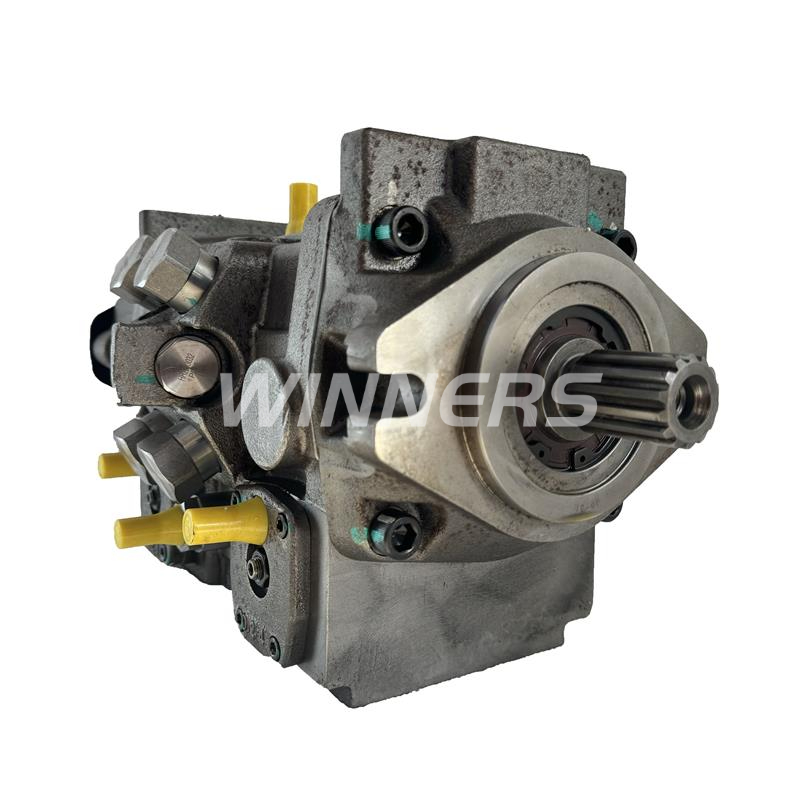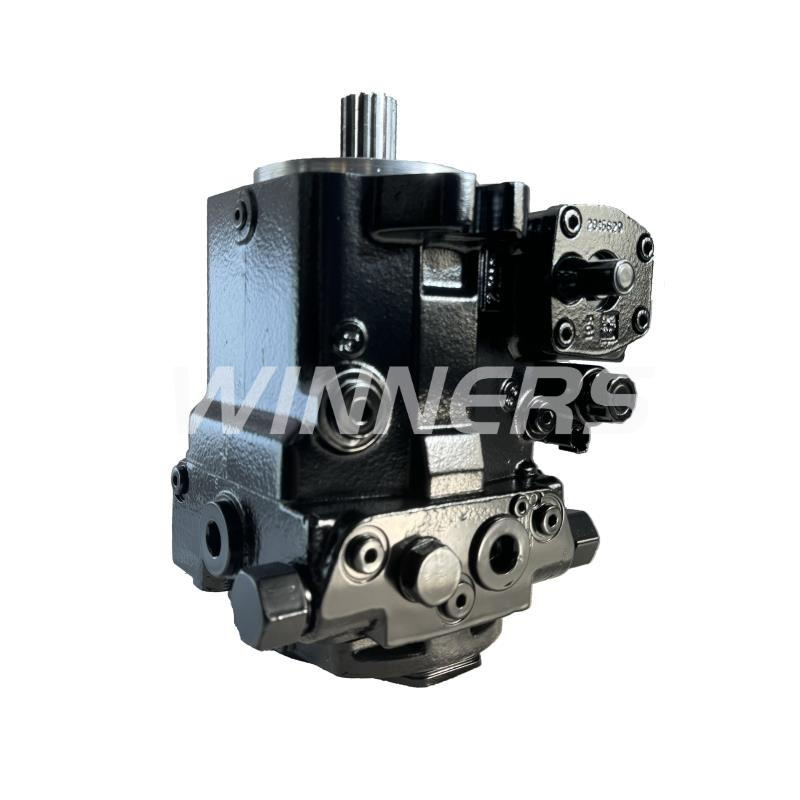
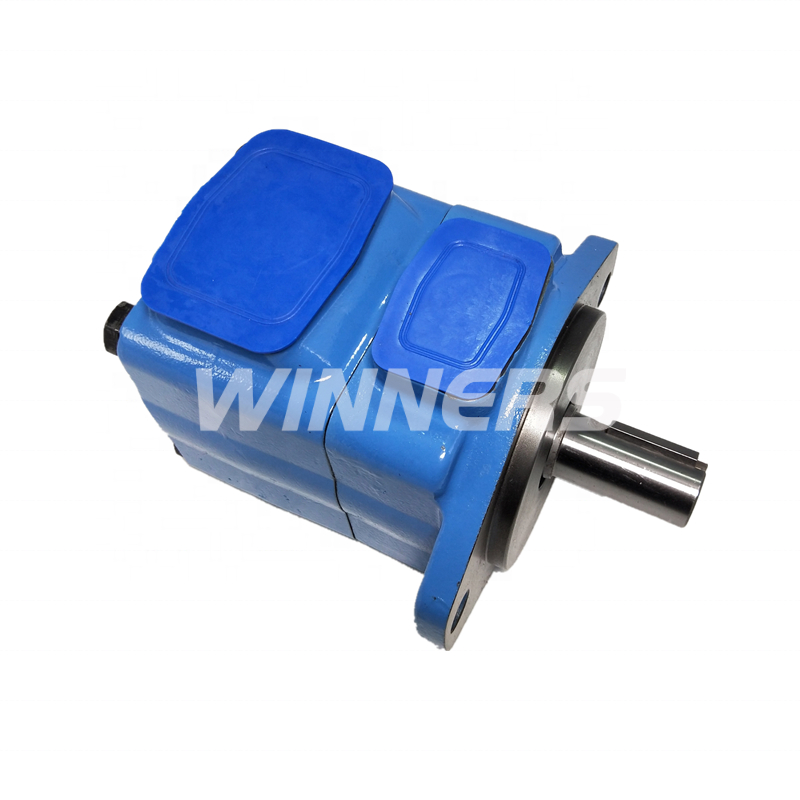
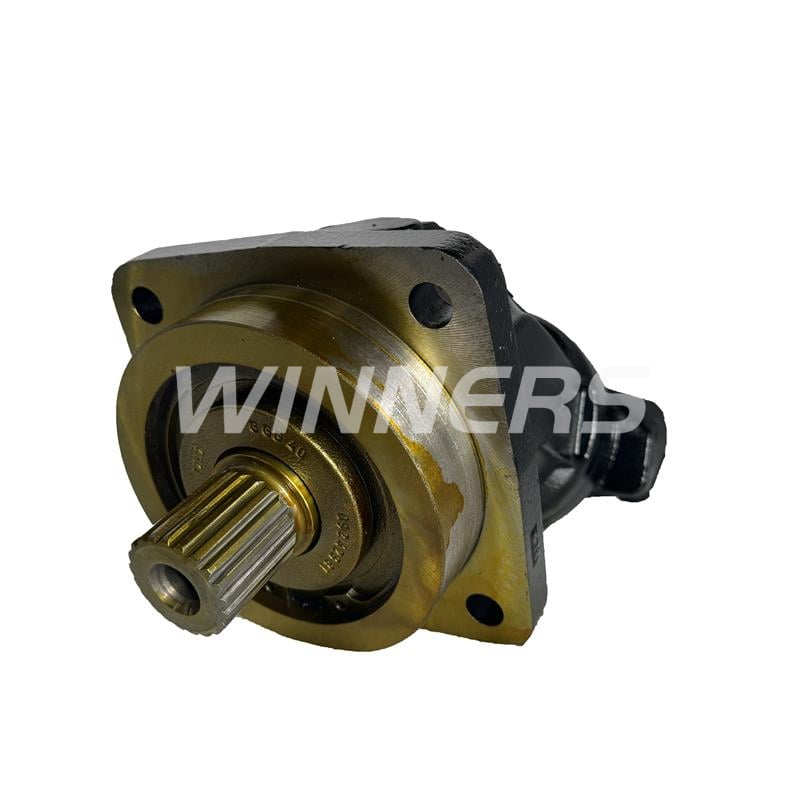
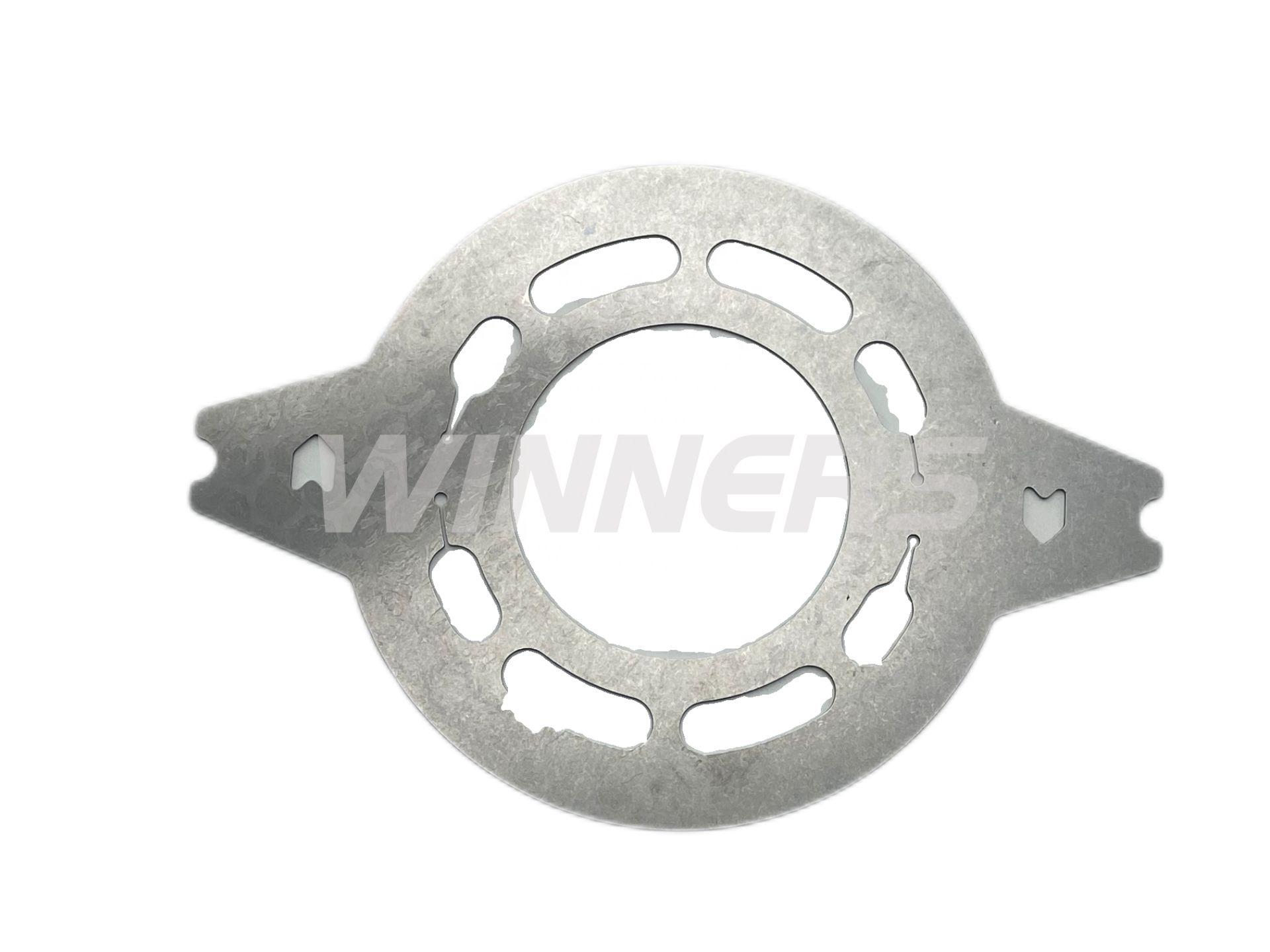
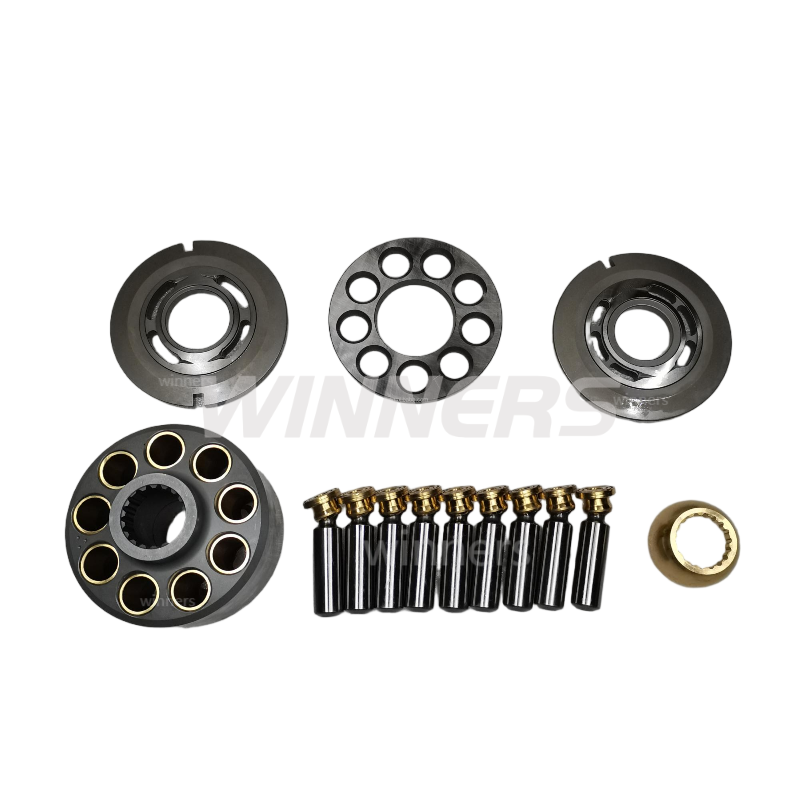
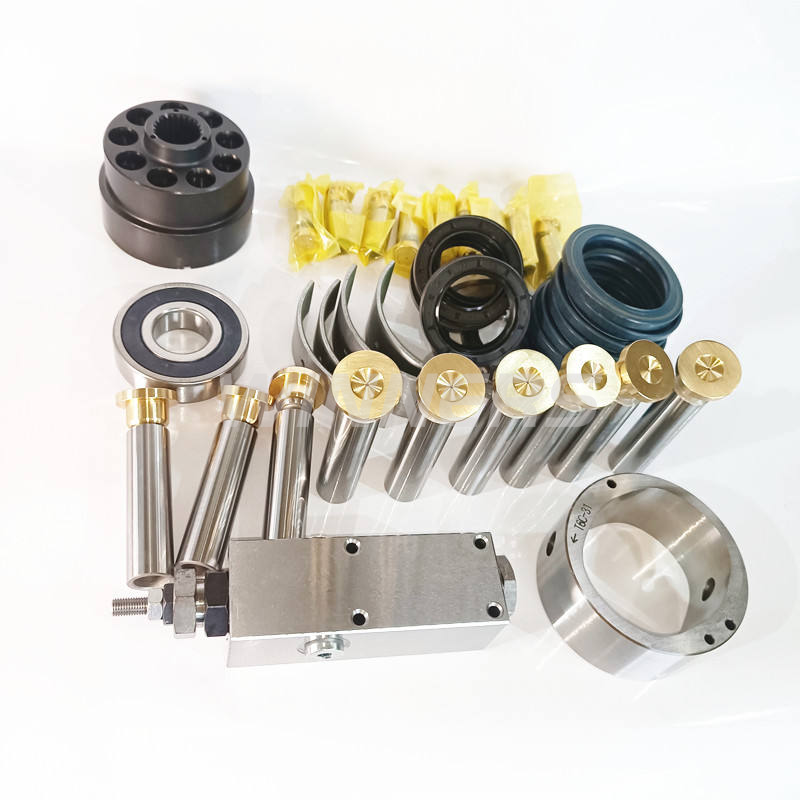
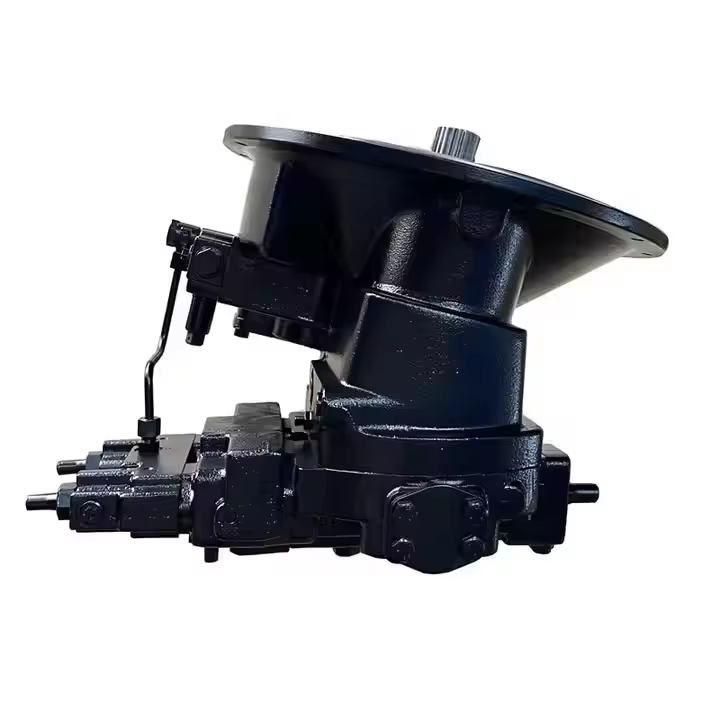
Hydrolic pumps, more accurately termed hydraulic pumps, function as the definitive heart within any hydraulic system. Their primary role is the conversion of mechanical energy, typically sourced from an electric motor or an internal combustion engine, into hydraulic energy. This transformation is achieved by generating fluid flow that is capable of overcoming the resistance imposed by system pressure. The operational principle involves creating a vacuum at the pump inlet, which allows atmospheric pressure to force hydraulic fluid from the reservoir into the pump. The internal mechanism, such as gears, pistons, or vanes, then traps this fluid, transports it to the discharge port, and forcefully expels it into the hydraulic system. This generated flow is the lifeblood that enables work to be performed, but it is crucial to understand that the pump itself creates flow, not pressure. Pressure is a direct consequence of the resistance to this flow encountered at the actuator, such as a hydraulic cylinder or motor. The performance, efficiency, and longevity of the entire hydraulic system are intrinsically linked to the correct selection and operational health of the hydraulic pump. Different pump designs, including gear, piston, and vane types, offer distinct performance envelopes concerning pressure capabilities, volumetric efficiency, noise levels, and cost-effectiveness, making the selection process highly application-specific.
Copyright © 2025 Baoding Winners Trading Co., Ltd. All Rights Reserved. - Privacy policy