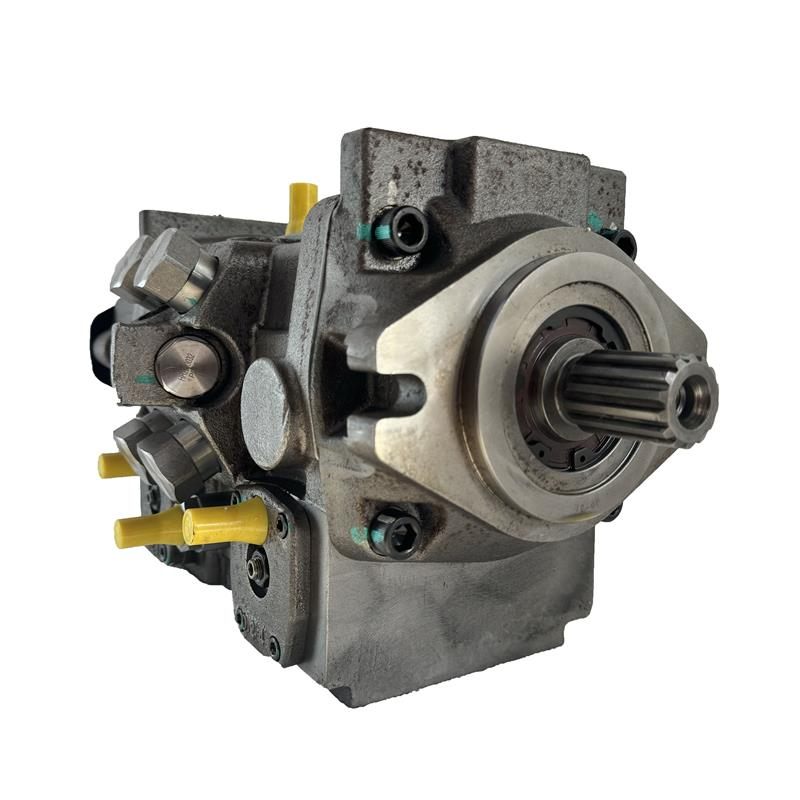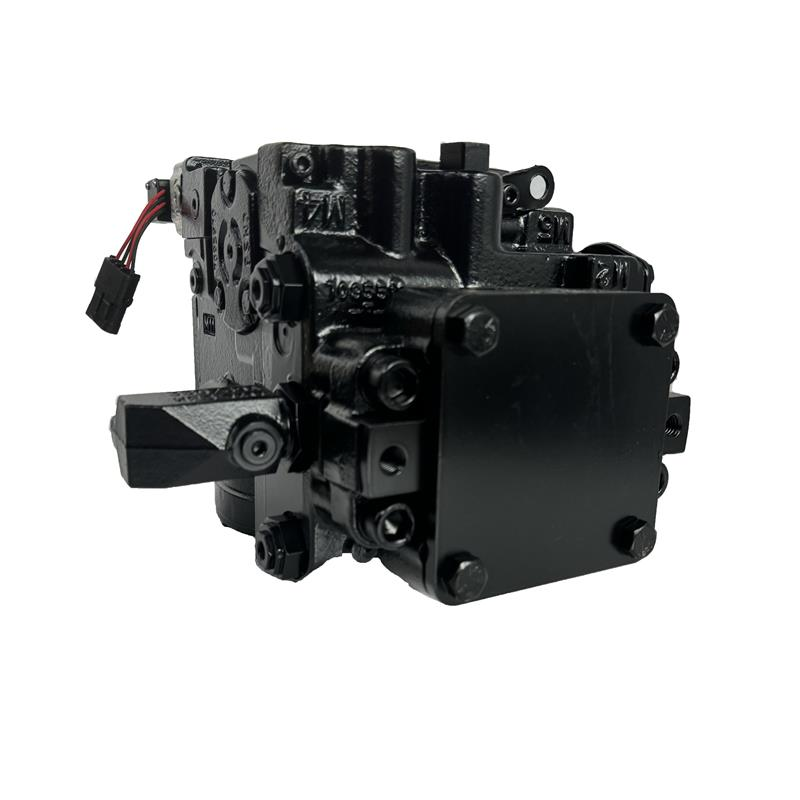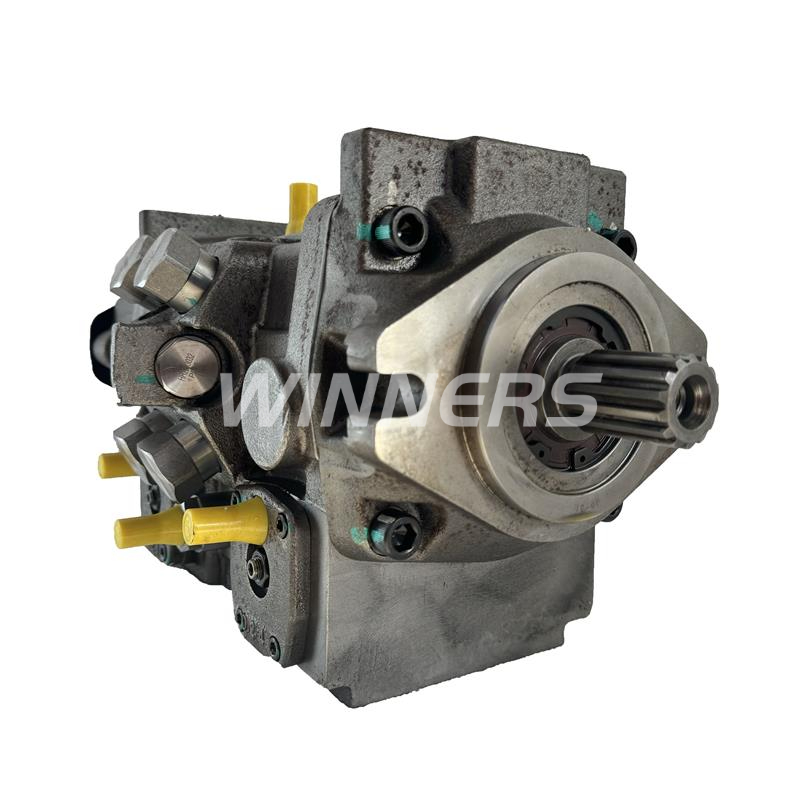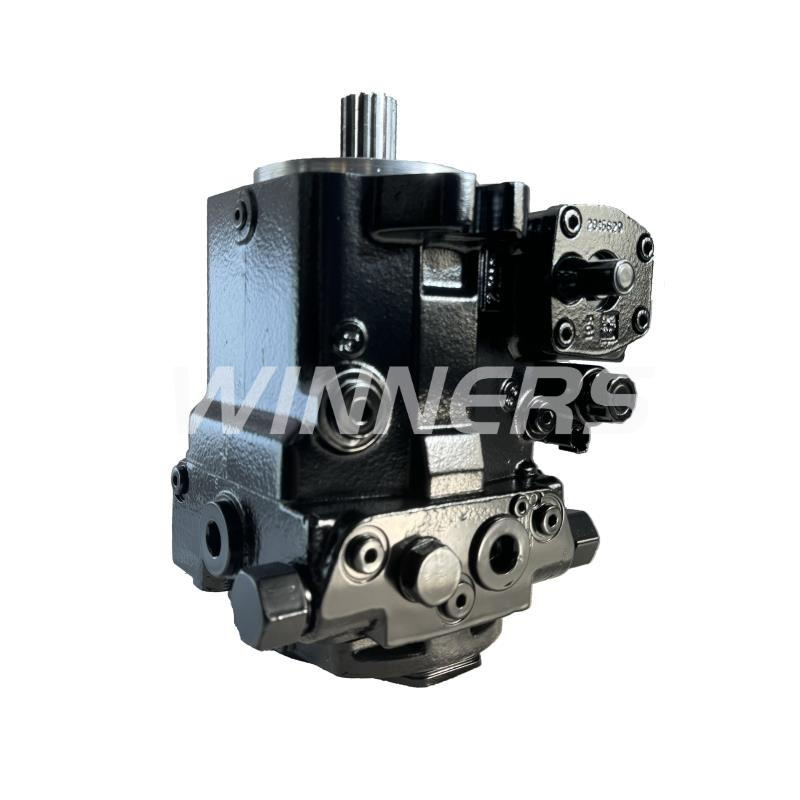
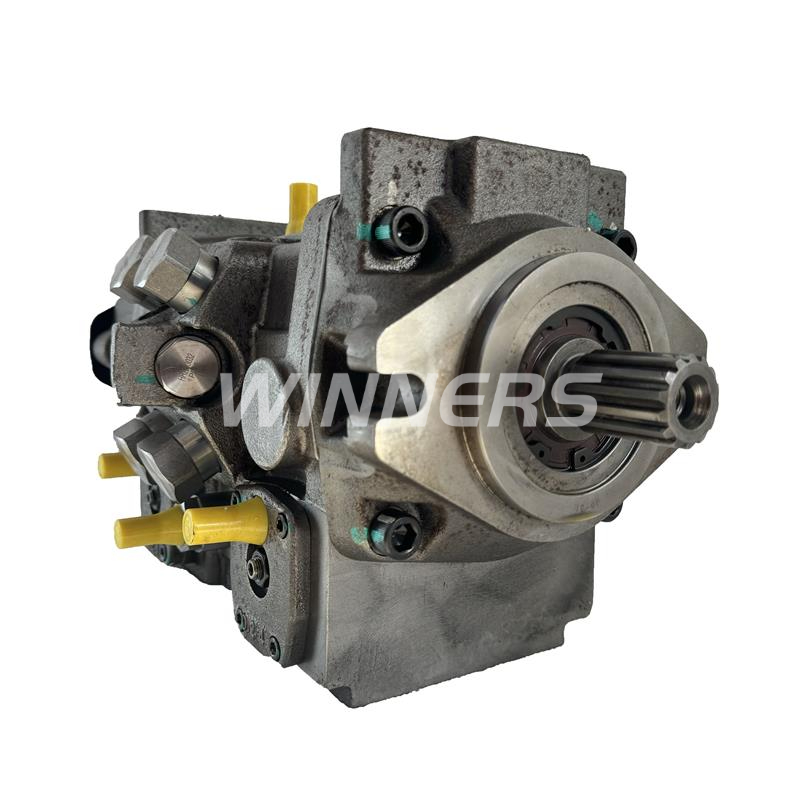
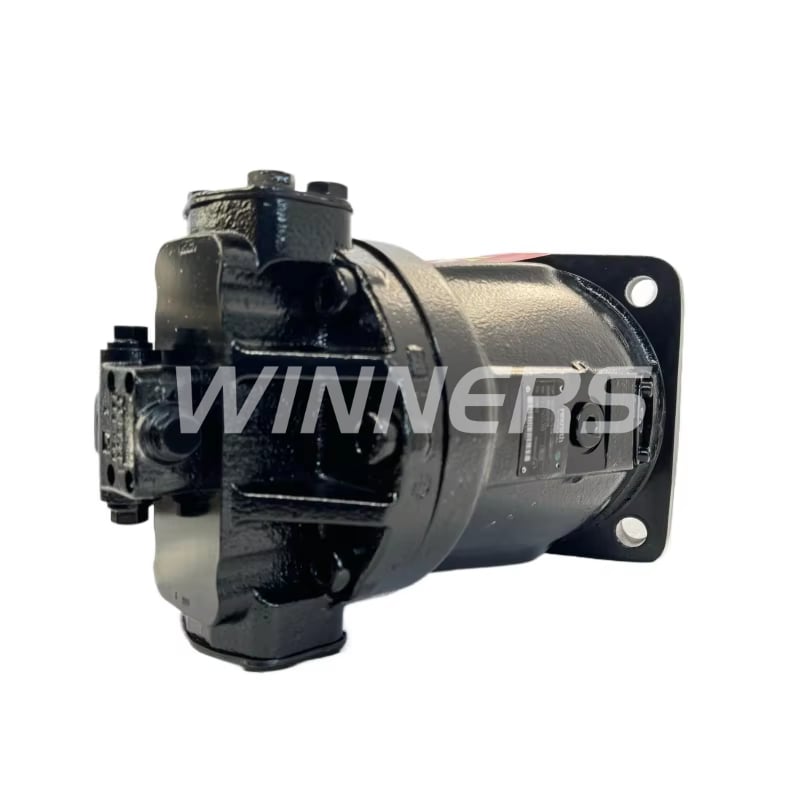
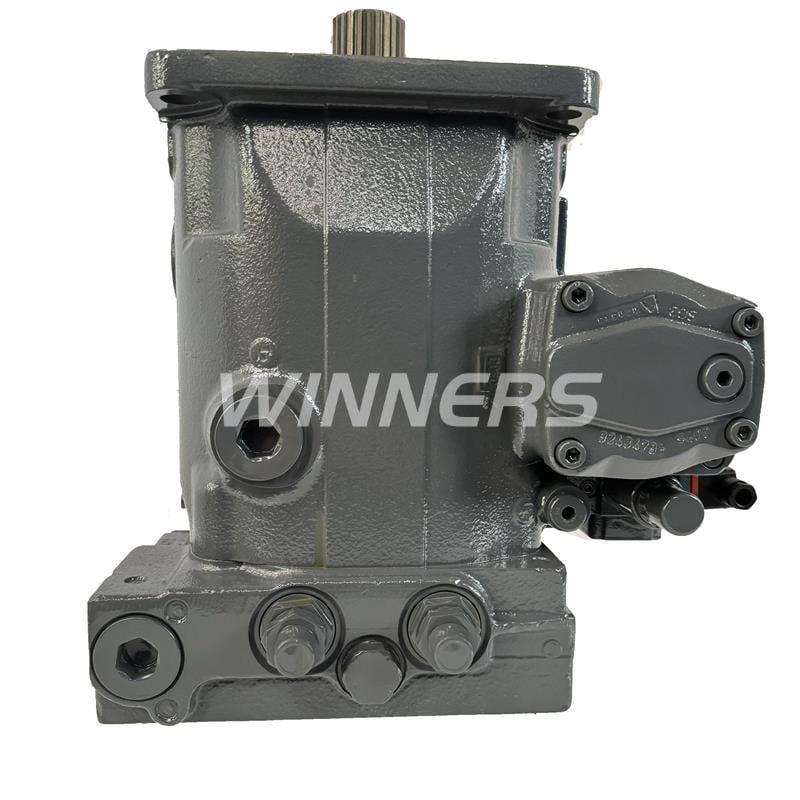
When replacing a hydraulic pump, it is rarely sufficient to simply swap the old unit for a new one. A pump failure is often a symptom of an underlying problem within the hydraulic system. If the root cause is not identified and addressed, the new pump is likely to fail prematurely. Therefore, a systematic forensic approach is required. The failed pump should be inspected for specific wear patterns that can point to the failure mode. For example, scouring on the inlet side of components suggests cavitation damage, often caused by a clogged suction filter, restricted intake line, or fluid that is too cold and viscous. Wear on the high-pressure side of components indicates abrasion from solid particle contamination, pointing to inadequate filtration. The entire system, including the reservoir, filters, heat exchanger, and valves, should be inspected. The hydraulic fluid should be analyzed for viscosity, particulate count, and water content. Simply installing a new pump into a contaminated or degraded system is a costly and repetitive mistake. A thorough system flush and filter change are often mandatory steps during a pump replacement to ensure a successful and lasting repair.
Copyright © 2025 Baoding Winners Trading Co., Ltd. All Rights Reserved. - Privacy policy